Tag: #FolkloreAndFun

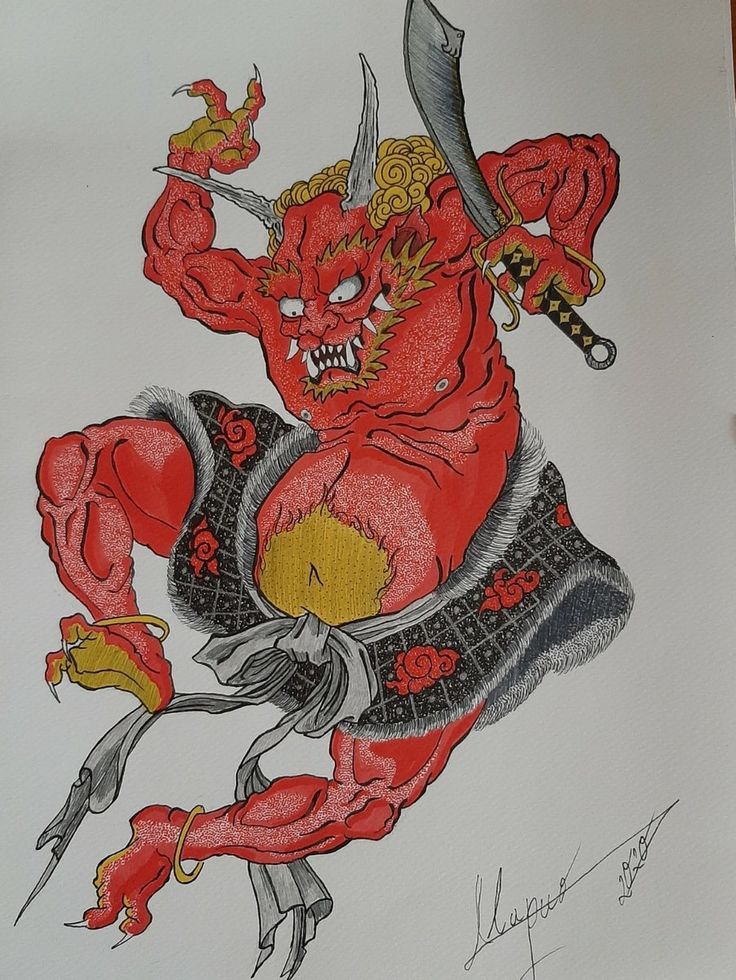
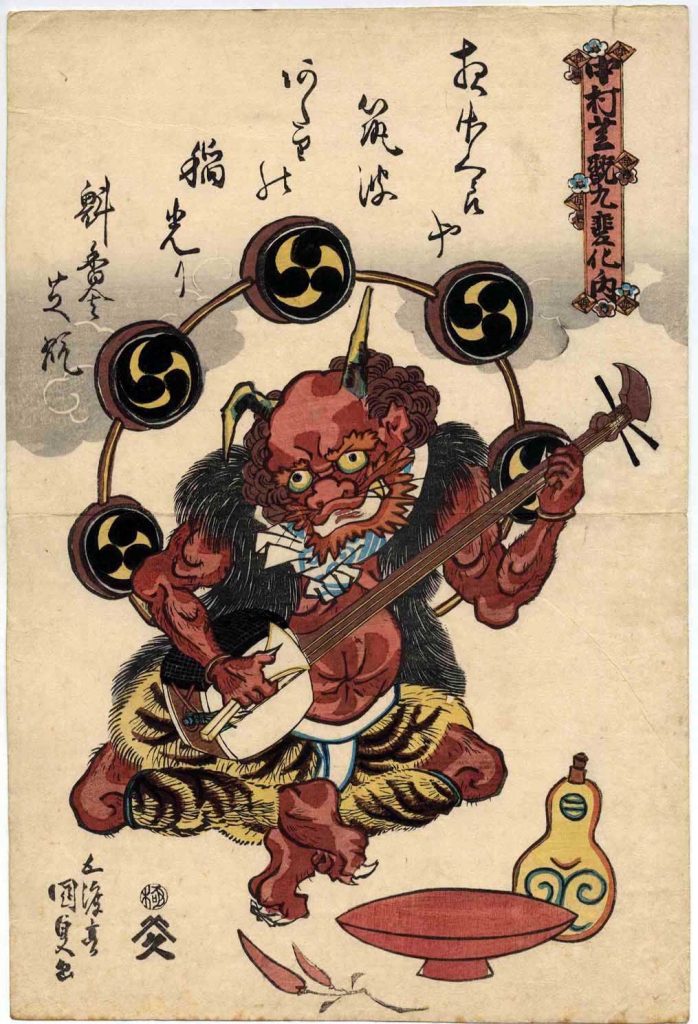
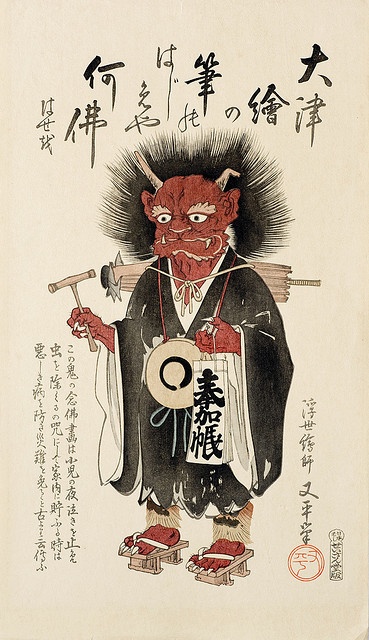
  • We begin our descent into Japanese folklore by meeting the Oni

    Japanese folklore isn’t just rich, it’s overflowing. A whole ecosystem of spirits, monsters, tricksters, shapeshifters, and inexplicable oddities known collectively as Yōkai. Some are adorable. Some are horrifying. Some are… well… deeply confusing. Naturally, this makes them perfect territory for the Boo-Foons to investigate.

    This week marks the beginning of a new semi-regular series where we dive headfirst into the world of Yōkai, starting with one of the most iconic, chaotic, and surprisingly complicated creatures of them all: the Oni.
    Who (or What) Are Oni?

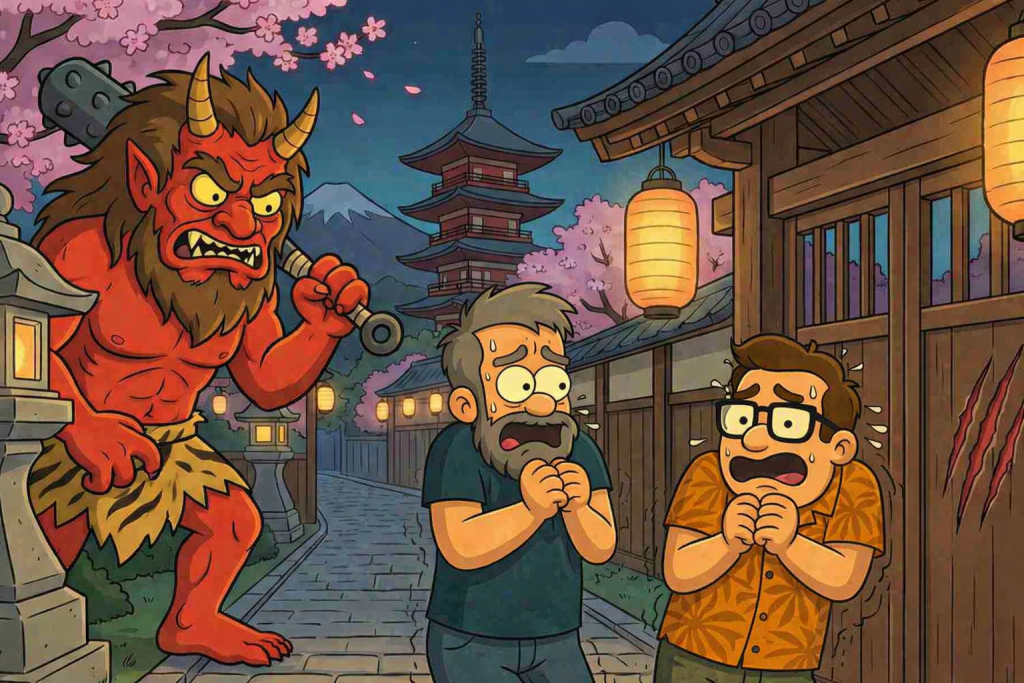
    If you’ve ever seen Japanese art featuring a huge, muscular creature with horns, wild hair, and a club the size of a small tree, you’ve probably met an Oni. They’re often described as:

    • Demons
    • Ogres
    • Punishers of the wicked
    • Troublemakers
    • Occasional party animals
    • And, depending on the story, surprisingly emotional beings

    Oni are the heavy-hitters of Japanese folklore, the kind of beings who show up when a story needs a villain, a guardian, or a chaotic force of nature. They’re powerful, unpredictable, and sometimes weirdly relatable.

    Different colours. Different temperaments. Different abilities. Some stories even treat them like boss battles. If someone doesn’t eventually shout “I choose you, Red Oni!” we’ll be shocked.
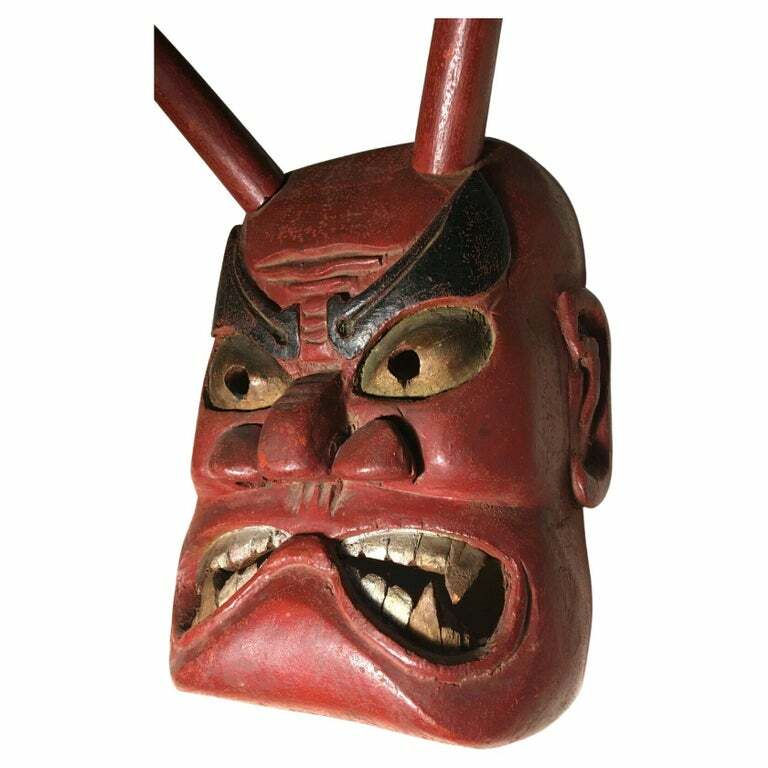
    The Many Faces of Oni

    While Oni are often lumped together as “the bad guys,” the folklore paints a more nuanced picture. Depending on the tale, Oni can be:

    Monstrous Villains

    The classic version, terrorising villages, eating people, smashing things, and generally being the worst unwelcomed guests imaginable.

    Punishers of Evil

    In Buddhist tradition, Oni sometimes serve as enforcers in the afterlife, punishing wrongdoers.

    Tragic Figures

    Some Oni were once human, transformed by grief, rage, or corruption.

    Comedic Characters

    Because even in ancient folklore, sometimes you just need a big, silly monster to lighten the mood.

    Why Start with Oni?

    Simple: they’re iconic, they’re everywhere, and they set the tone for the wild, unpredictable world of Yōkai.

    What’s Coming Next?

    This episode is just the beginning. The Boo-Foons will be returning to Japanese folklore regularly, exploring:

    • Mischievous tricksters
    • Shape-shifting animals
    • Haunted household objects
    • Spirits that live in rivers, mountains, and abandoned toilets
    • And creatures so bizarre they defy all known categories

    If Oni are the “starter monsters,” then the rest of the Yōkai roster is about to get progressively stranger and sillier.

    Dip Into This Week’s Episode

    If you’re ready for big monsters, big folklore and big chaos.

    Grab your club (metaphorically), brace yourself for horned mayhem, and join the Boo-Foons as they step into the world of Yōkai, one Oni at a time.
  • The Hand of Glory

    Witchcraft, Burglary, and a Very Unsettling Candle

    Hand of Glory

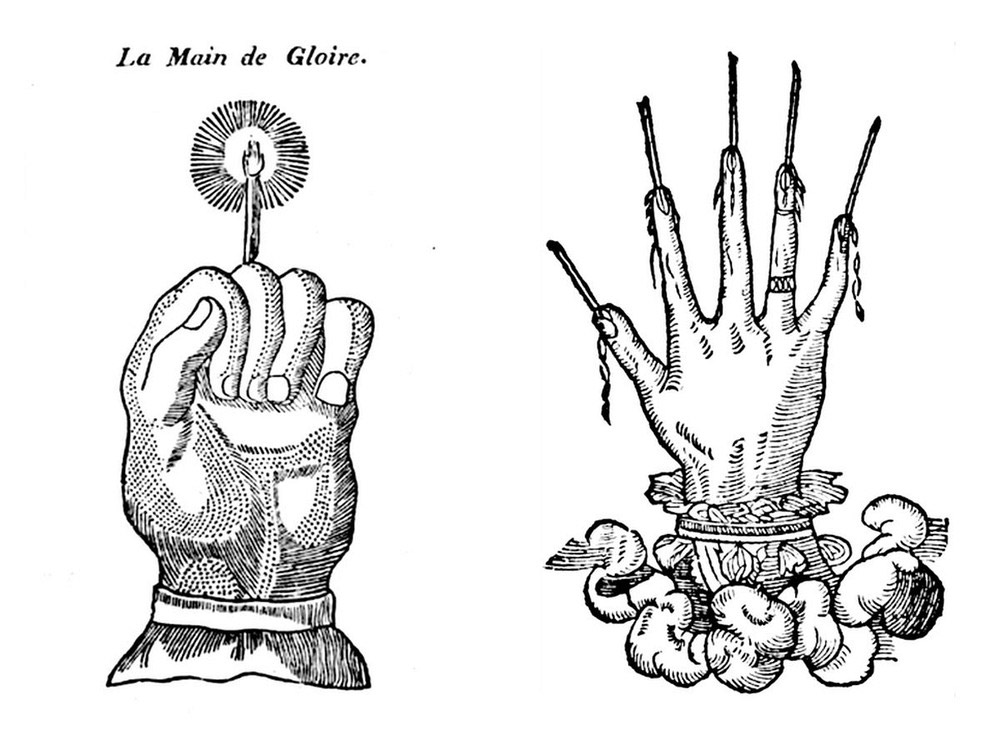
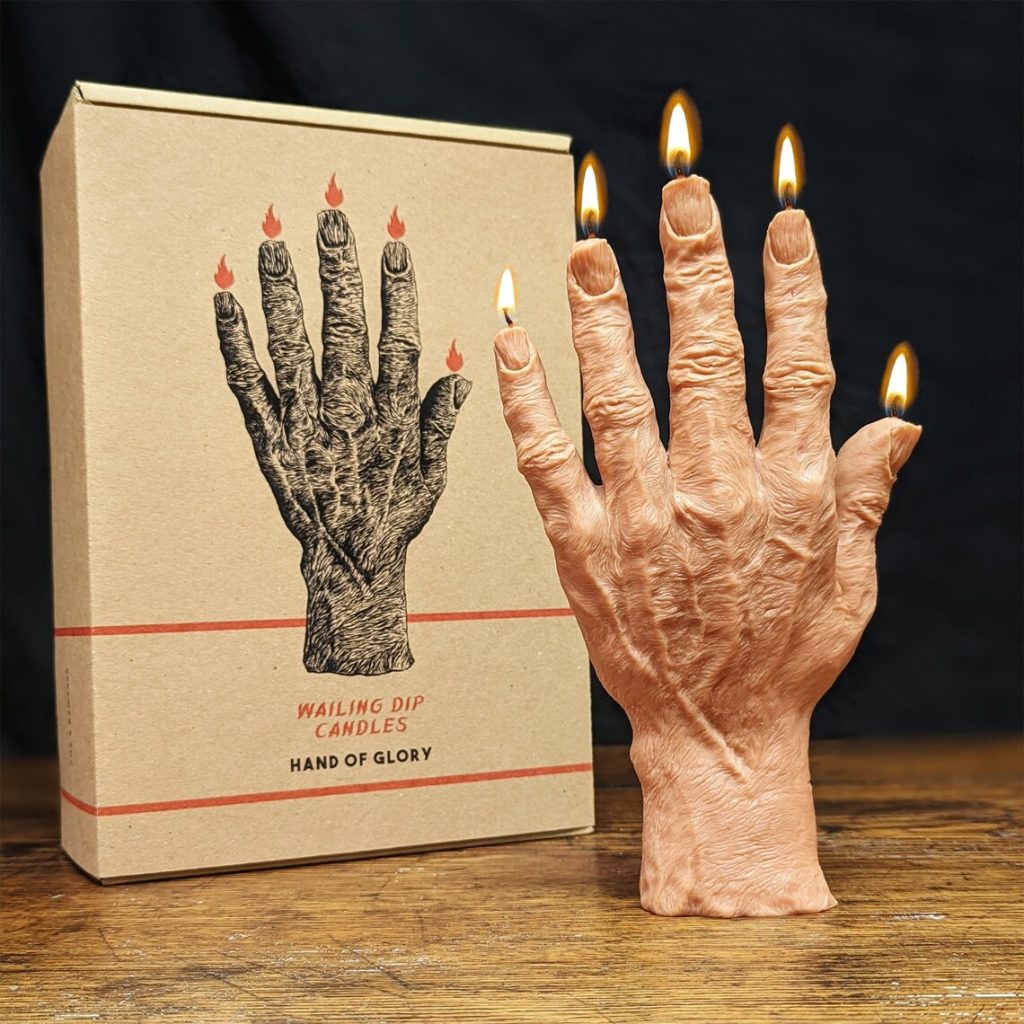
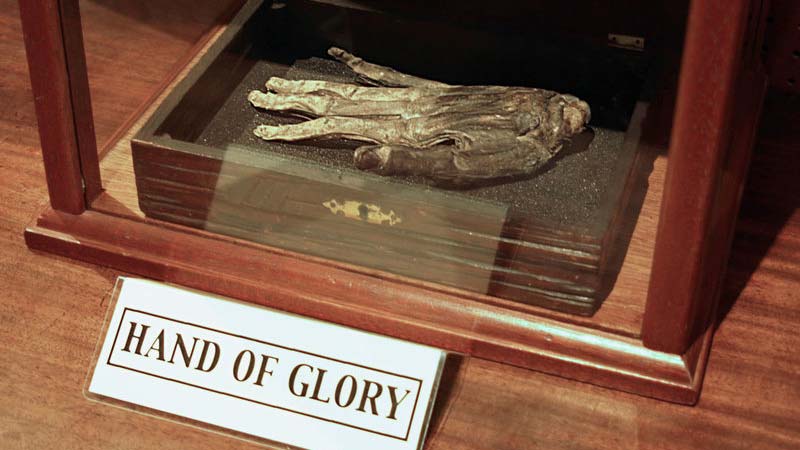
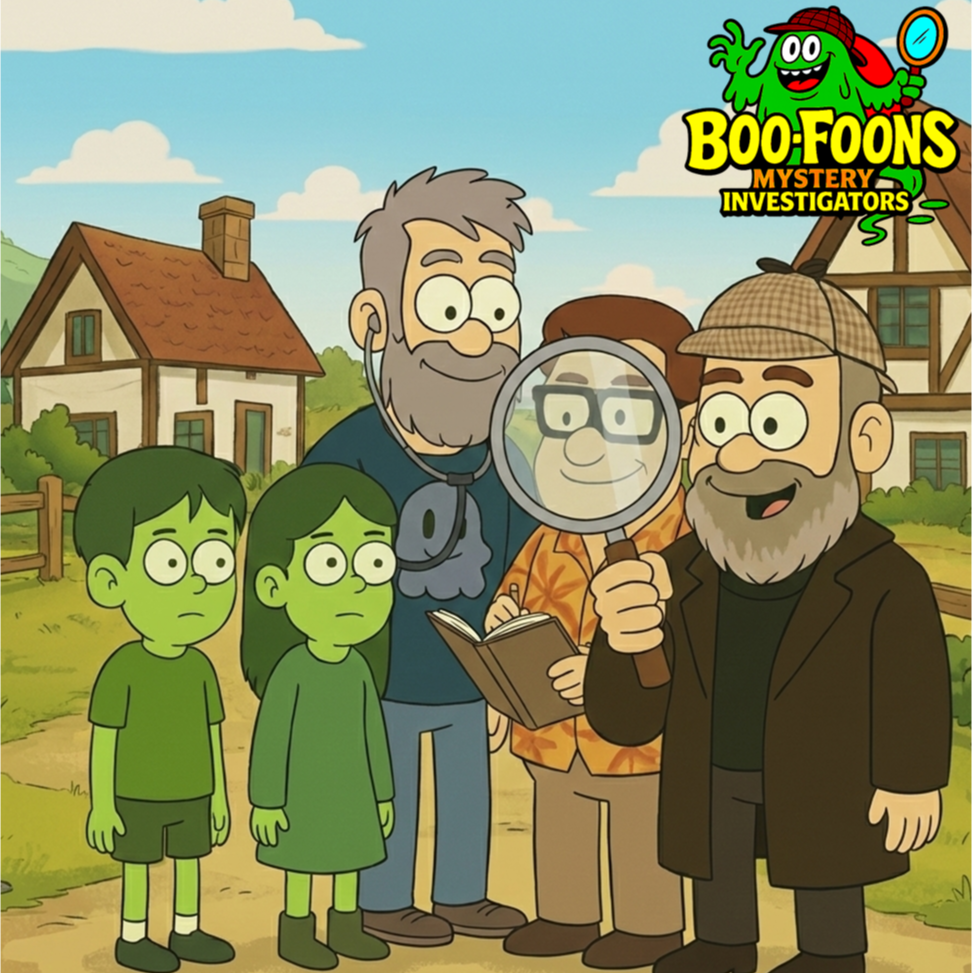
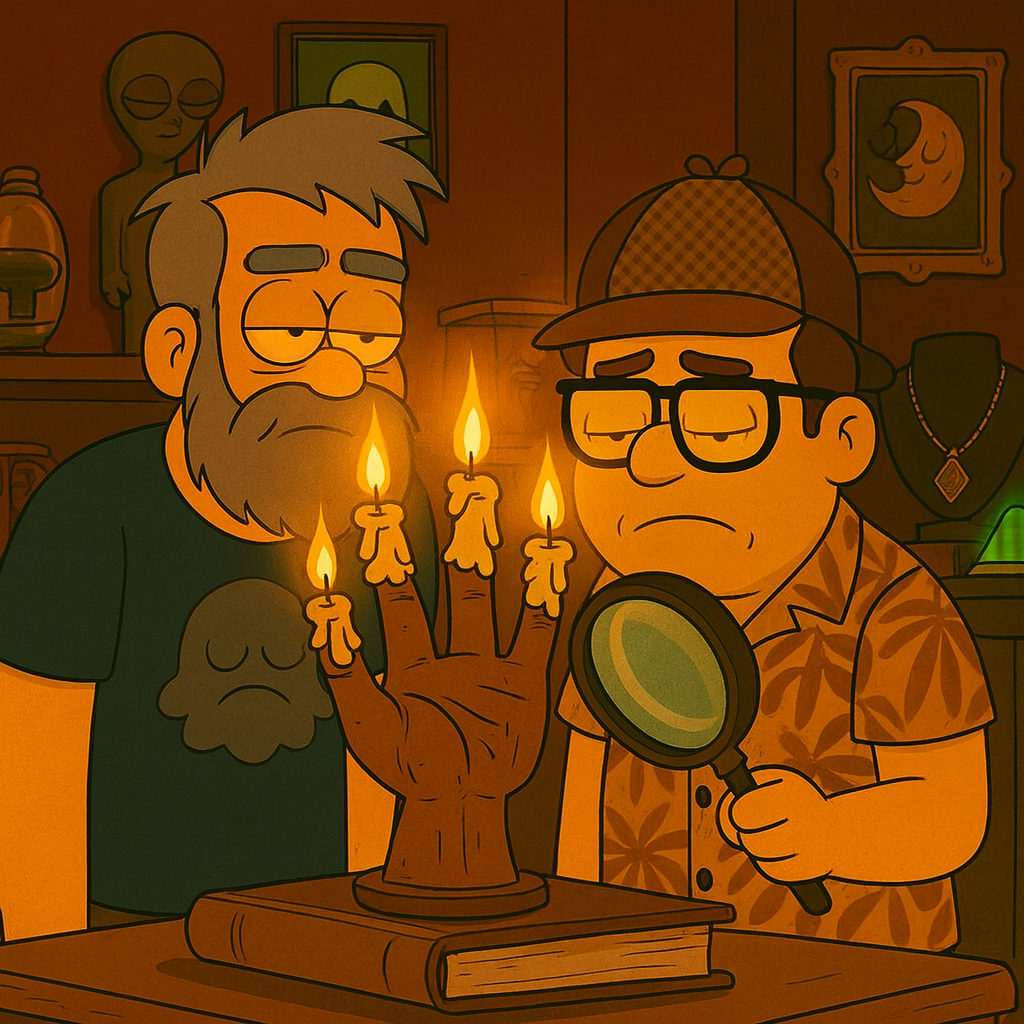
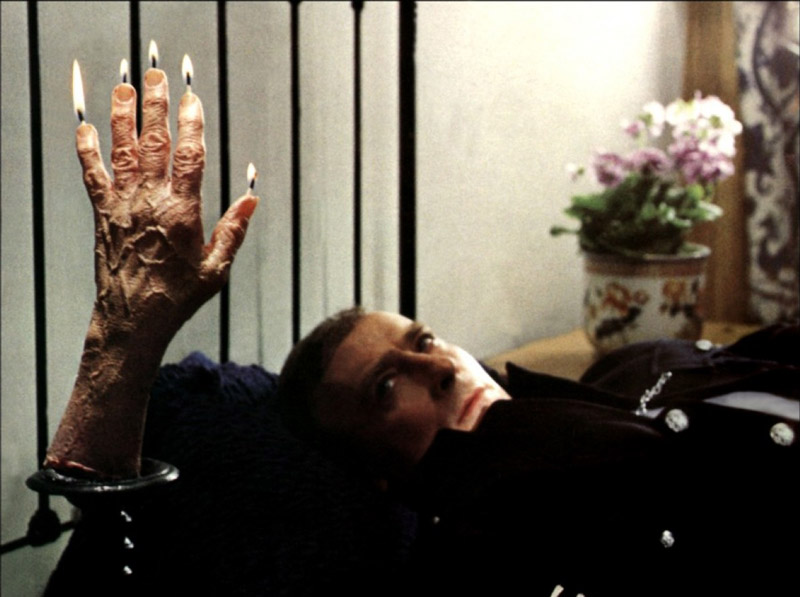
    When the Boo-Foons stumble across a grisly relic of old witchcraft, they quickly realise they’re dealing with one of the most unsettling tools in the folklore arsenal: the Hand of Glory, a macabre charm once believed to help thieves slip silently through locked houses.

    What Is a Hand of Glory?

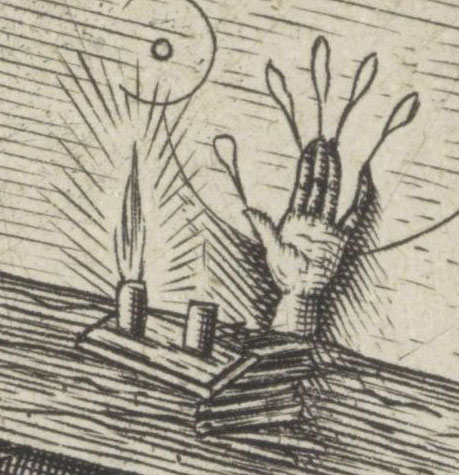
    According to centuries-old European folklore, a Hand of Glory is the preserved hand of a hanged criminal, often the right hand or the hand that “committed the deed.” Once dried and treated with various magical concoctions, it was used as a supernatural burglary tool.

    The Boo-Foons’ latest investigation uncovers a version straight out of the old grimoires: a mummified hand clutching a candle made from the fat of the same executed man. Charming.

    A Burglar’s Best Friend

    The Hand of Glory wasn’t just a creepy ornament. It was said to grant its wielder a terrifying advantage:

    • Anyone inside the house would fall into a deep, unnatural sleep.
    • No lock could resist the thief who carried it.
    • The candle could only be extinguished with milk, not water.

    In some tales, each finger acted as a candle wick. If a finger refused to light, it meant someone in the house was still awake.

    Where the Legend Comes From

    The myth appears in several 17th–19th century sources, especially in France, Germany, and the British Isles. It became widely known thanks to early folklore collectors and crime historians who documented the strange charms criminals supposedly used.

    One of the most famous accounts comes from the 18th-century French Dictionnaire Infernal, which describes the ritual in unsettling detail. English folklore picked it up soon after, and by the Victorian era the Hand of Glory had become a staple of ghost stories and penny dreadfuls.

    Boo-Foons Field Notes

    During their investigation, the Boo-Foons discover that the Hand of Glory wasn’t just a magical sleep aid, it was a symbol of fear. The idea that a thief could freeze a household in slumber with a single cursed candle terrified communities long before CCTV and burglar alarms.

    Now, centuries later, the Boo-Foons are left wondering:
    Is the Hand of Glory just a relic of superstition… or is someone trying to revive an old criminal craft?

  • Boo-Foons meet The Bantering Banshees.

    Boo-Foons Join Bantering Banshees After Dark for a Paranormal Crossover Packed with Chaos, Chills, and Laughter.

    The Boo-Foons Mystery Investigators are celebrating a major moment in their ever-growing paranormal escapades: a guest appearance on the latest episode of Bantering Banshees After Dark. The crossover marks a lively collision of two fan‑favourite teams, bringing together the Boo-Foons’ trademark blend of curiosity, chaos, and good‑natured boo‑foonery with the Banshees’ late‑night storytelling flair.

    A Night of Shared Hauntings and Hysterics

    Listeners are treated to a rare meeting of minds, and mischief as Steve and Dan crash the Banshees’ after-hours recording. The conversation dives straight into real personal paranormal encounters, the kind that linger in the back of your mind long after the lights go out. Both teams swap stories of eerie happenings, unexplained sensations, and the strange little moments that make even seasoned investigators glance over their shoulders.

    Despite the creeping tension, the room never stays serious for long. Every unsettling detail is balanced with laughter, quick-fire banter, and the kind of camaraderie that only comes from people who spend far too much time poking at the unknown.

    A Finale That Tests Nerves and Instincts

    As the episode winds into the small hours, the teams take on a game designed to push their instincts, bravery, and composure to the limit. With the unknown poking back at every turn, the challenge becomes a perfect blend of suspense and silliness, exactly the kind of energy both shows thrive on.

    And the Best Part? The Collaboration Isn’t Over

    The Boo-Foons have confirmed that the Banshees will be joining their show very soon, marking the second half of this paranormal double‑feature. Fans of both podcasts can expect even more shared chaos, more stories from the shadows, and more moments where everyone laughs just a little too loudly to hide the nerves.

    The Boo-Foons say they’re “really excited” for what’s ahead, and if this first crossover is anything to go by, listeners have every reason to be as well.

  • The Boo-Foons & Oddtrots: The Mystery of the Green Children of Woolpit

    Episode 28

    This week, the Boo-Foons team up with John from Oddtrots for a delightfully strange expedition to Suffolk, where one of England’s most enduring mysteries first took root: the Green Children of Woolpit. According to 12th‑century accounts, two children with green-tinted skin appeared near the village, speaking an unknown language and refusing all food except broad beans. Over time, their colour reportedly faded, and the surviving child claimed they came from a twilight world called St Martin’s Land, where the sun never fully shone.

    In true Boo-Foons fashion, Steve, Dan, and John dive into the legend with equal parts curiosity and chaos, sampling broad beans, scanning the countryside for wolves (a nod to Woolpit’s historic wolf pits), and attempting to decode the children’s mysterious language. It’s folklore meets field trip, with plenty of laughs woven through the history, theories, and wonderfully weird details that make this centuries-old tale so irresistible.

    If you love your mysteries with a side of education and a generous helping of Boo-Foonery, this is an episode you won’t want to miss.

  • The Boo‑Foons Hunt for Floating Heads in Southeast Asia

    Episode 26

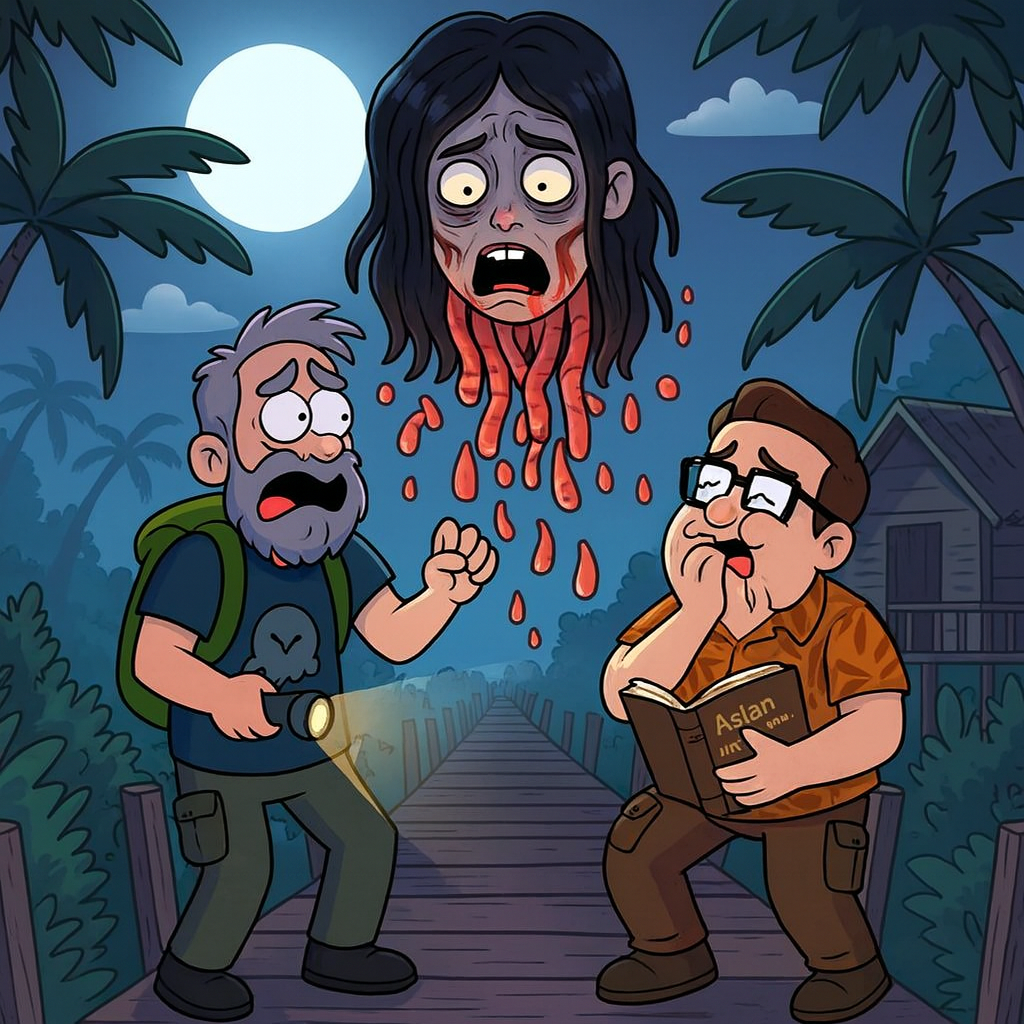
    Southeast Asia is famous for many things: breathtaking temples, incredible food, warm hospitality… and, of course, the occasional floating head with its entrails dangling like festive streamers. Naturally, this meant one thing.

    The Boo‑Foons had to go.

    Armed with backpacks, questionable bravery, and a deeply flawed sense of what counts as a “relaxing getaway,” Steve and Dan set off across the region in search of the legendary Penanggalan or Krasue, beautiful women by day, terrifying flying viscera‑demons by night.

    Folklore, Fear, and Questionable Choices

    The Krasue is said to detach her head from her body and fly through the night in search of victims. Steve and Dan wandered through moonlit streets, listening for the tell‑tale wet flapping of airborne organs, they discovered something important: Southeast Asian folklore is rich, fascinating, and absolutely terrifying when you’re the one doing the fieldwork.

    Did They Find One?

    Well… that would be telling.

  • Greenhouse Mystery: The Curious Case of the Mandrake

    Greenhouse Mystery: The Curious Case of the Mandrake

    Episode 24

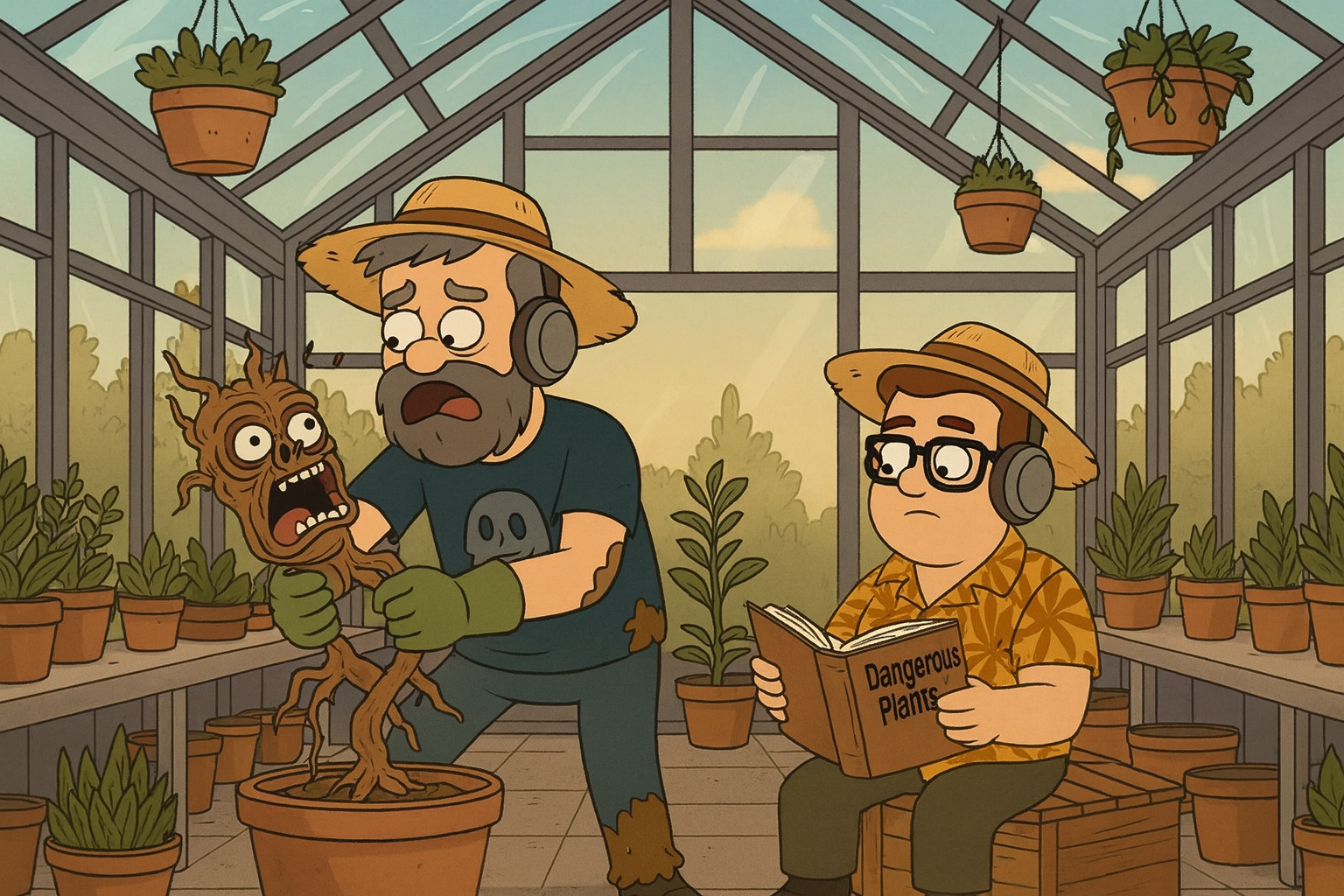
    Steve and Dan find themselves face-to-face with a botanical enigma, the legend of the mandrake.

    What Is a Mandrake?

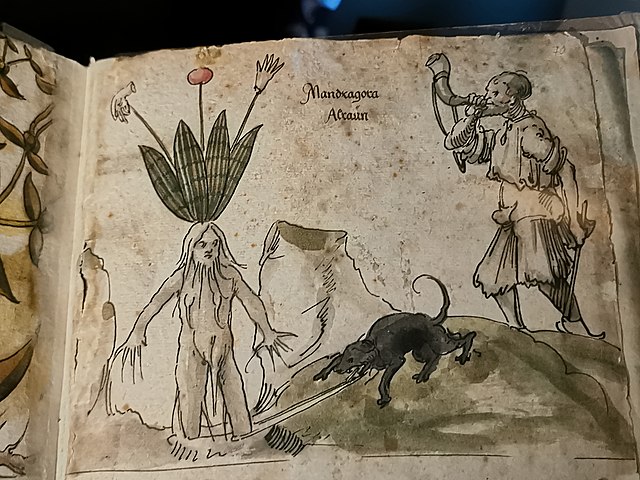
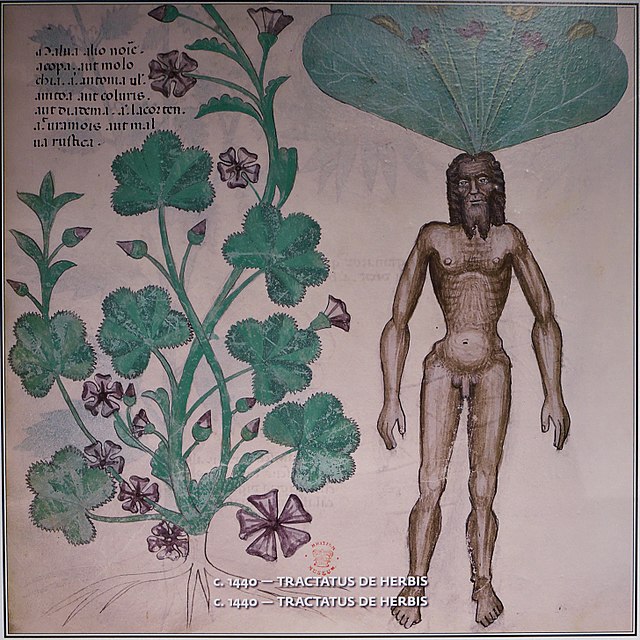
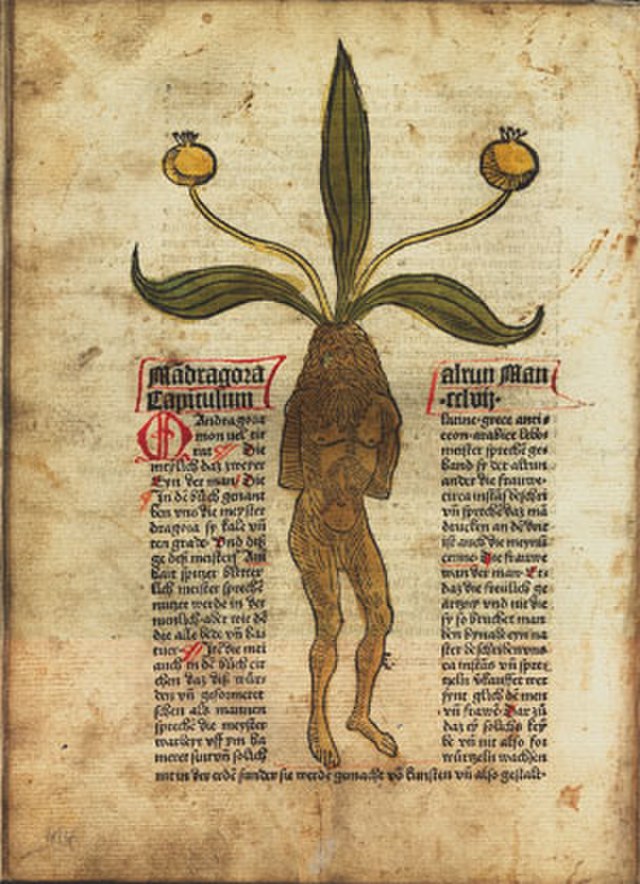
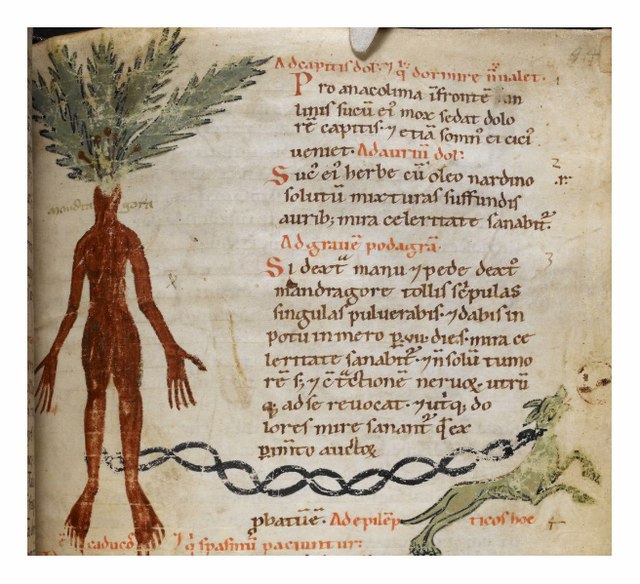
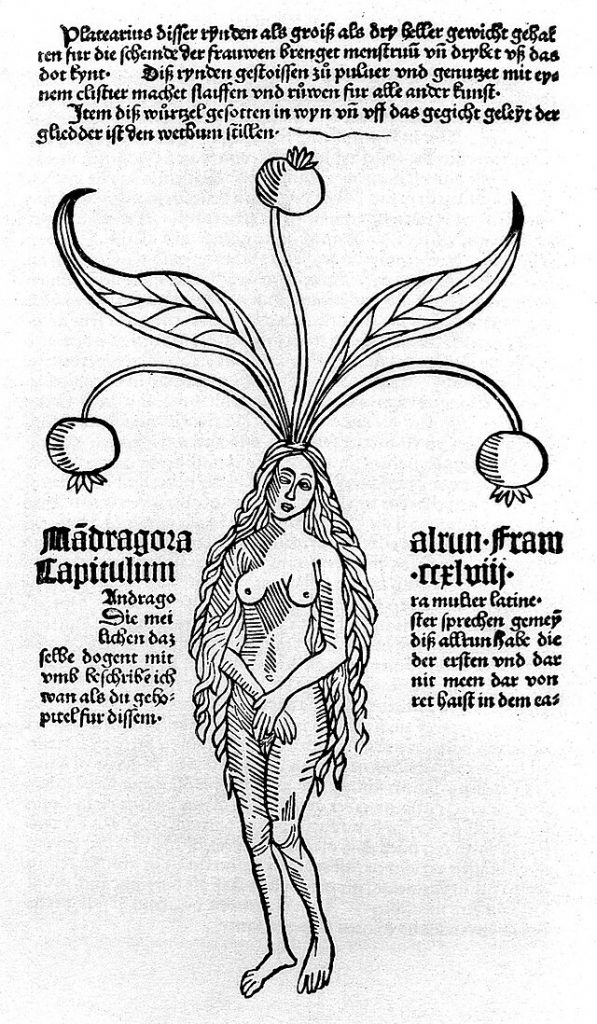
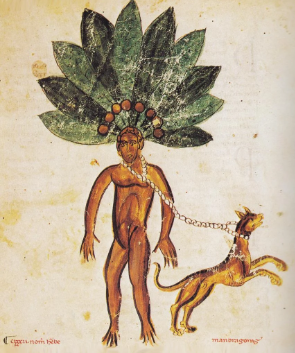
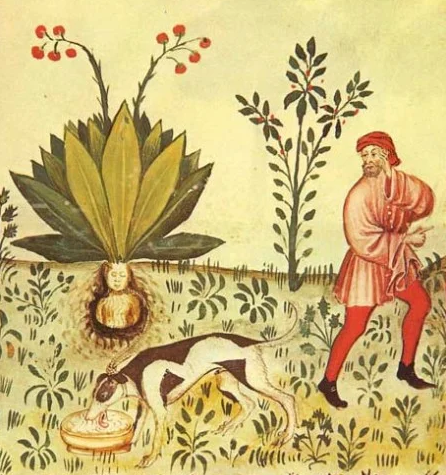
    Mandrake (genus Mandragora) is a plant steeped in folklore and mysticism. Native to the Mediterranean region, its roots often resemble human figures, which has fueled centuries of superstition. Historically, mandrakes were believed to scream when uprooted, a cry so deadly it could kill anyone who heard it.

    Folklore and Myth

    • Medieval Legends: In medieval Europe, mandrakes were thought to grow beneath gallows, nourished by the bodily fluids of hanged men.
    • Protective Talismans: People carried mandrake roots as charms to ward off evil or bring good fortune.
    • Magical Uses: Mandrakes appeared in potions, spells, and rituals, often associated with witchcraft and alchemy.

    Biological Facts

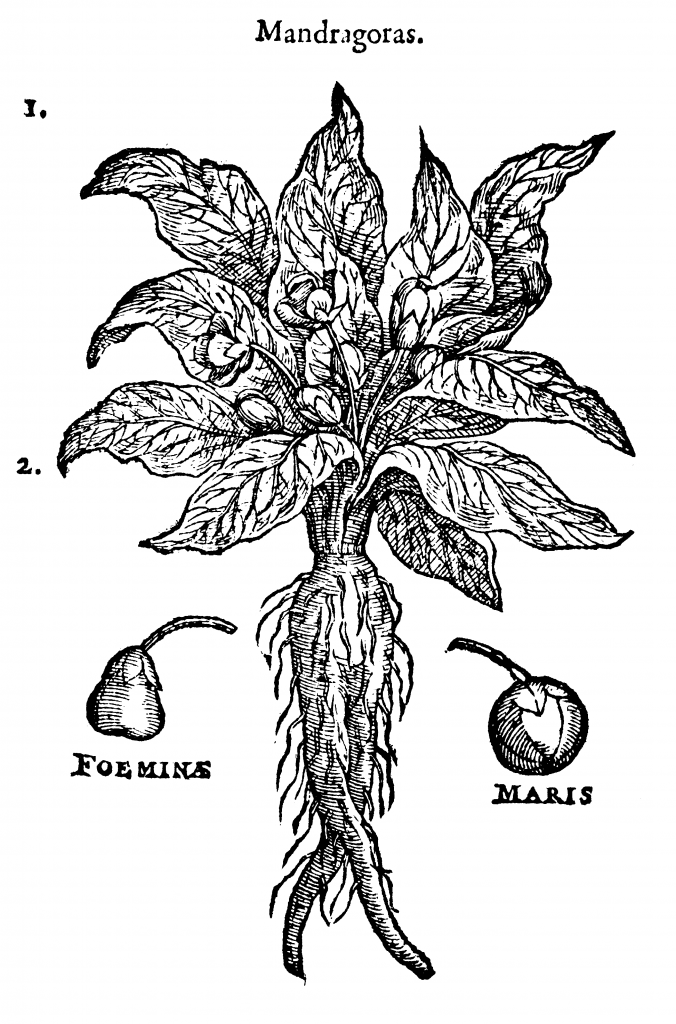
    • Species: The most well-known species is Mandragora officinarum.
    • Appearance: Mandrakes have thick, often bifurcated roots that resemble human limbs, and dark green leaves with bell-shaped flowers.
    • Habitat: They thrive in dry, rocky soils and bloom in spring.

    Toxicity and Medicinal Use

    Mandrakes contain alkaloids such as hyoscyamine and scopolamine, which can be highly toxic. Historically, they were used as anesthetics and sedatives, but improper use could lead to hallucinations, coma, or death. Today, mandrake is rarely used medicinally due to its dangerous properties.

    (images: Wikimedia)

    Final Thoughts

    Whether feared or revered, the mandrake remains one of nature’s most enigmatic plants. Its legacy spans centuries, bridging the gap between botany and legend. For the Boo-Foons, it’s just another day in the greenhouse.

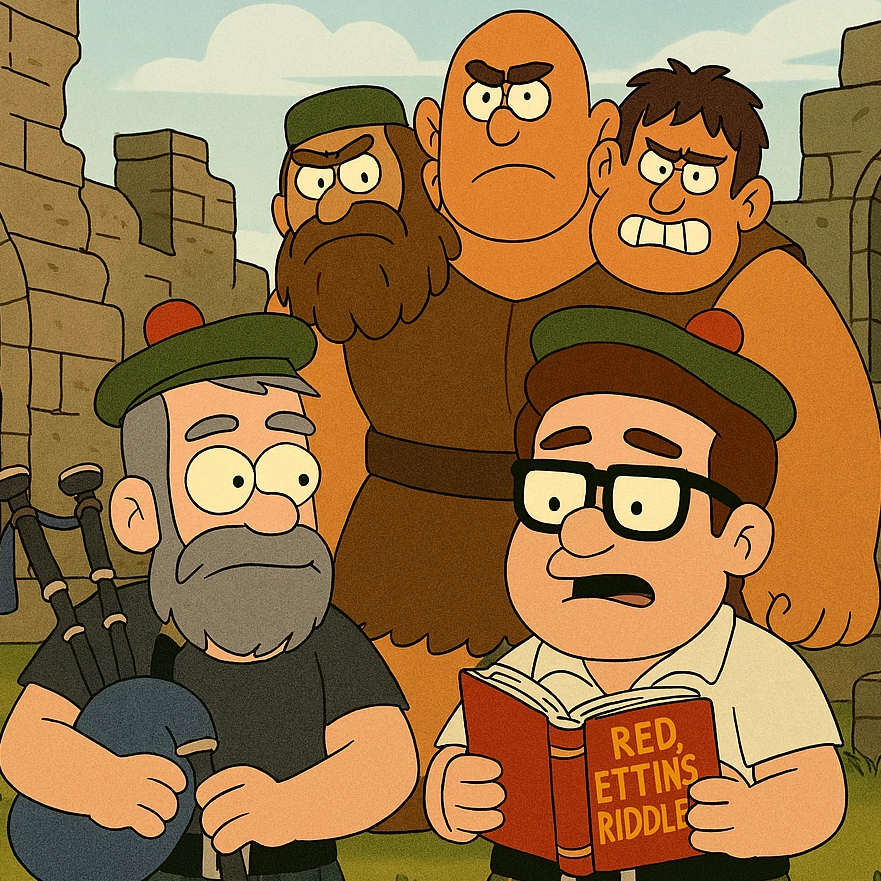
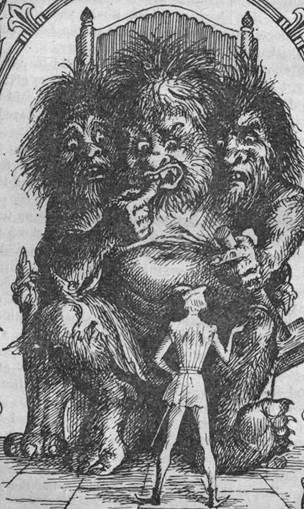
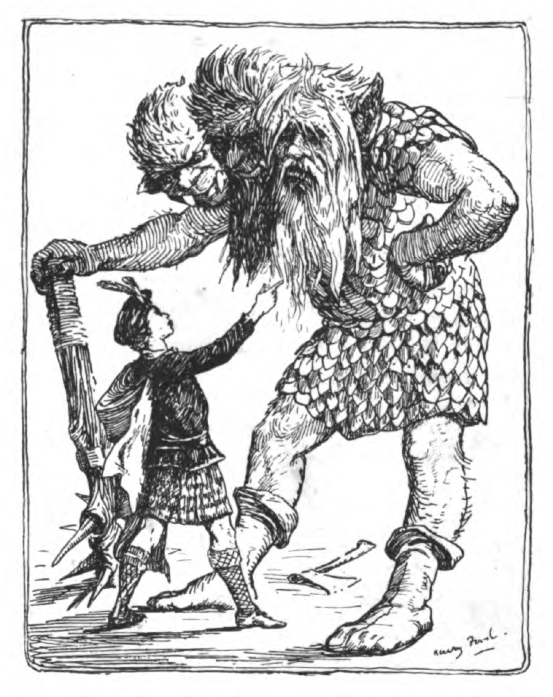
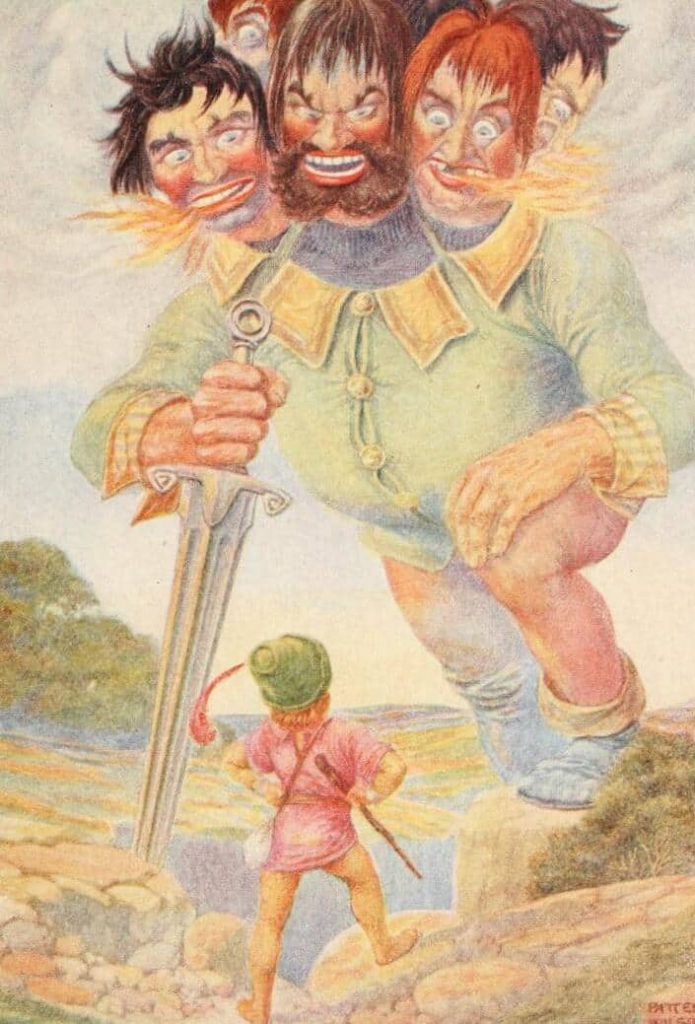
  • The Boo-Foons and the Three‑Headed Giant of Bonny Scotland

    Scotland has given the world many wonders: bagpipes, tartan, deep‑fried everything… and now, thanks to the Boo-Foons, one more addition to the list, a rumoured three‑headed giant lurking somewhere in the Highlands. Naturally, Steve and Dan packed their bags, grabbed their microphones, and set off on a quest that absolutely nobody asked for but everyone will enjoy.

    What followed was a journey filled with riddles, ruined castles, suspiciously tall vegetation, and a man named Jack who may or may not have been entirely trustworthy.

  • Taniwha Trouble

    We’ve crossed oceans, dodged customs, and packed extra socks because this time, we’re heading to New Zealand! Our mission? To uncover the truth behind legendary Māori creatures said to guard sacred lands and waters.

    Join us as we plunge into the Pacific, hunting for signs of reptilian sea guardians known as taniwha. These mythical beings are woven into Māori lore, often described as dragon-like creatures that dwell in rivers, lakes, and coastal waters.

    Some taniwha are fierce protectors of iwi (tribes), while others are known to be more mischievous or territorial. Either way, they’re not the kind of cryptid you want to surprise with a flashlight.

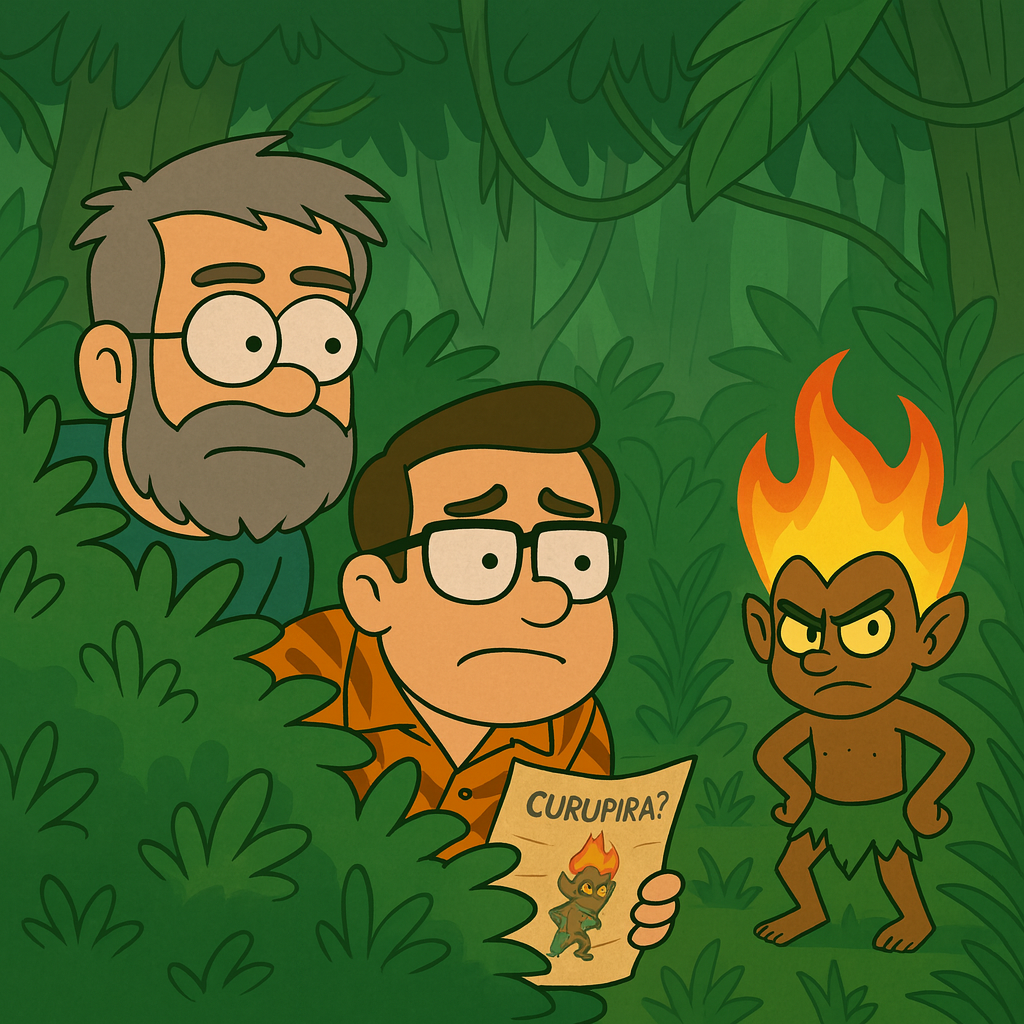
  • Into the Jungle: The Curupira Episode

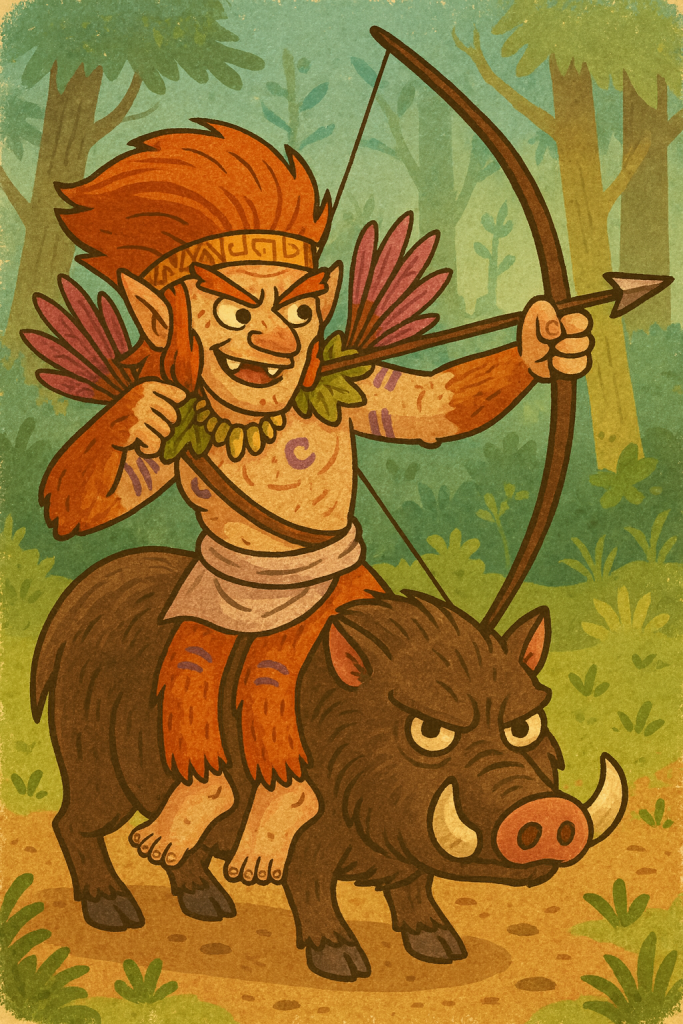
    The Boo-Foons head deep into South America in search of the legendary forest guardian, the Curupira (or as Steve calls it, “Curry-piranha?”). This fiery-haired trickster from Brazilian folklore is known for his backward-facing feet, a clever trait that confuses hunters and leads them in circles. He’s the ultimate protector of the rainforest, punishing those who exploit nature and vanishing into the trees before you can say “deforestation.”


    Join Steve and Dan as they dodge mischievous spirits and try to keep up with the chaos. Steve, naturally, struggles with pronouncing “Curupira,” but that’s half the fun.

    This episode was recorded live during a Patreon stream, so expect extra Boo-Foonery and jungle misadventures.

  • Boo-Foons in Wales: Fairy Cattle & Cow Pat Chao

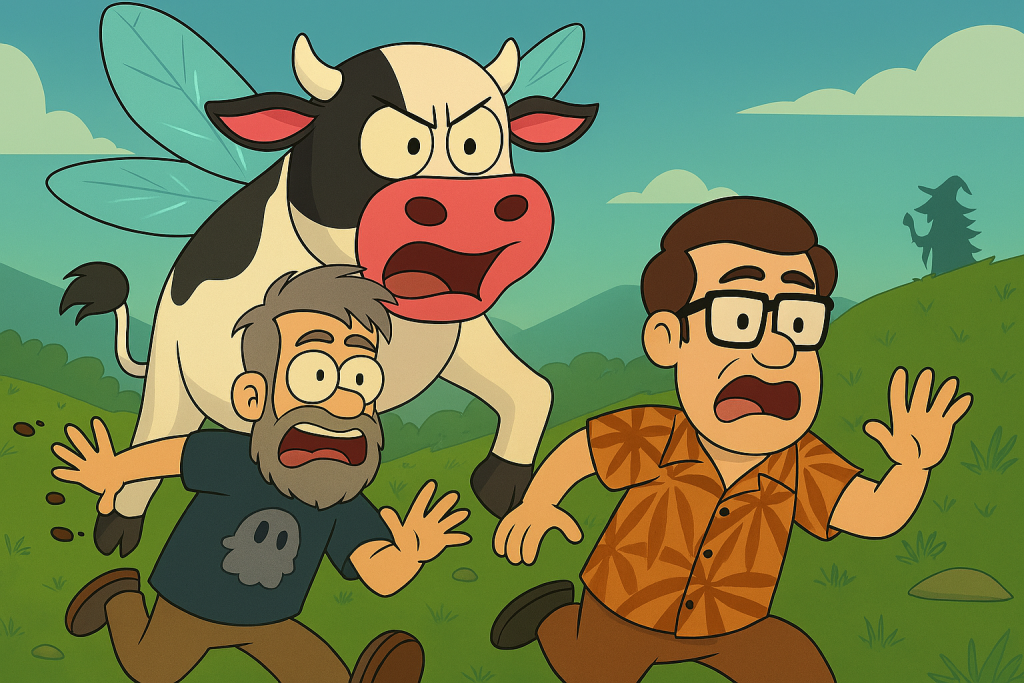
    The Boo-Foons are back on the road, this time hoofing it through the misty hills of Wales in search of fairy cattle and folklore mischief. Join Steve and Dan as they tiptoe through enchanted pastures, dodge flying cow pats, sidestep suspicious witches, and wrangle tales from the otherworldly herd.


    Expect moo-ving mysteries, udder nonsense, and a few dairy-fresh punchlines as the Boo-Foons milk every last drop of weirdness from this whimsical Welsh adventure.


    Listen now and graze on the magic.