This week, the Boo‑Foons plunge into the mist‑soaked world of ghost ships and maritime mysteries, a realm where cursed vessels drift through fog, drowned sailors throw eternal parties, and the sea itself seems to remember every tragedy.
The Lady Lovibond: Love, Jealousy & a 50‑Year Haunting
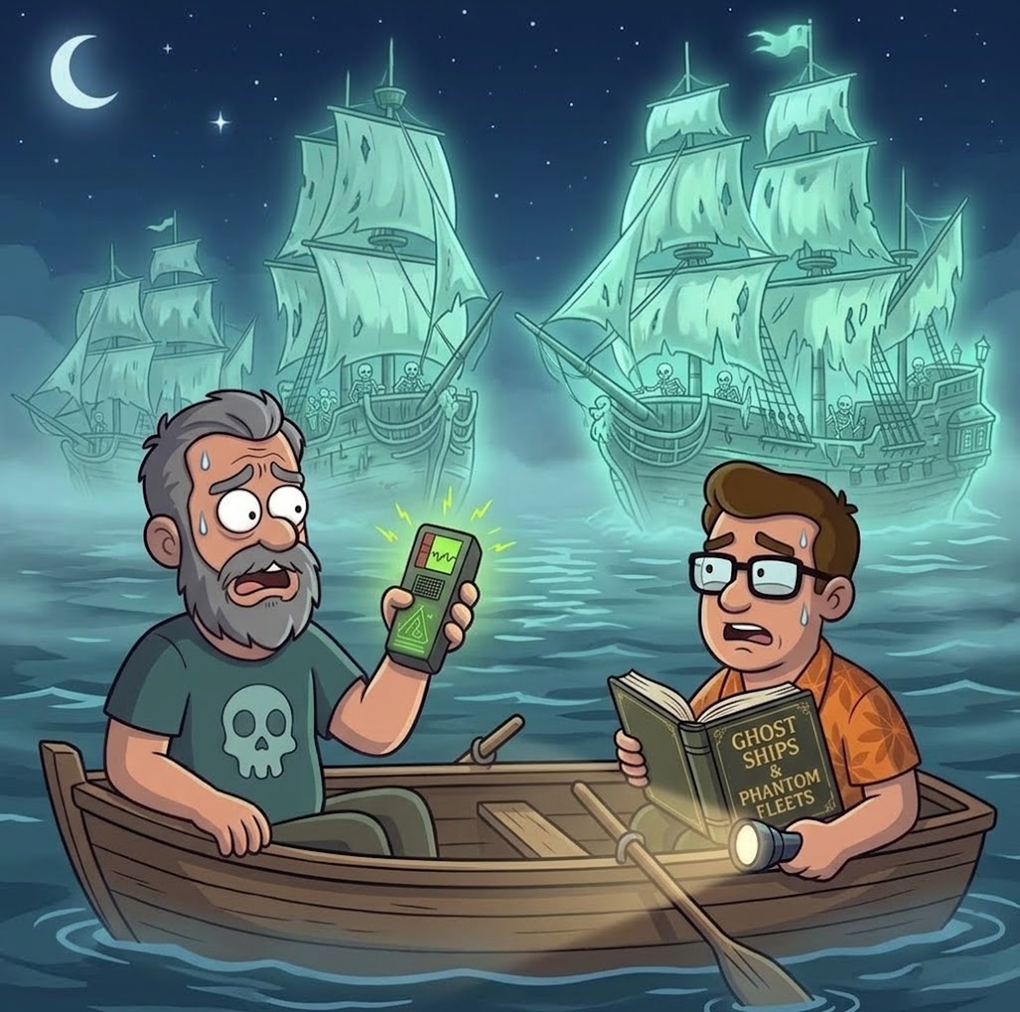
Dan and Steve begin with the infamous Lady Lovibond, said to appear every fifty years on the treacherous Goodwin Sands. According to legend, a jealous first mate sabotaged the ship on Valentine’s Day 1748, sending everyone aboard to their doom. Ever since, sailors have reported a glowing schooner cutting through the surf, a phantom re-enacting its final voyage.
El Caleuche: Chile’s Supernatural Party Boat
From the English Channel to the Chilean coast, the duo dive into the legend of El Caleuche, the ghost ship that rises from the deep carrying drowned sailors who’ve been… upgraded. This spectral vessel is said to host endless celebrations, crewed by the transformed dead and captained by sea‑spirits who don’t believe in closing time.
Real‑World Enigmas: The Mary Celeste
The Boo‑Foons also tackle the enduring mystery of the Mary Celeste, found adrift in 1872 with cargo intact, meals untouched, and not a soul aboard. They sift through theories ranging from rogue waves to mutiny to paranormal interference.
Suffolk’s Storm‑Caller Fisherman
Closer to home, they explore eerie folklore from the Suffolk coast, including the chilling tale of Lowestoft’s ghostly fisherman. Said to appear before storms and shipwrecks, this spectral figure walks the shoreline with lantern in hand, a warning, a curse, or perhaps a guardian who arrives too late.
A Sea of Legends
From cursed schooners and eternal party ships to real maritime mysteries and coastal apparitions, this episode blends UK folklore, paranormal history, and ocean‑bound legends into one salty, supernatural voyage. It’s Boo‑Foons chaos at sea, fog, phantoms, and the occasional questionable nautical comment.
This episode of Boo‑Foons Mystery Investigators took a sharp turn into the supernatural as Sam fromThe Thing UFO made his much‑anticipated return. But instead of scanning the skies for extra-terrestrial visitors, Sam arrived with a collection of ghost stories, strange encounters, and theories that blur the line between hauntings and high strangeness.
The Ghost That Started It All
Sam opens up about the eerie experiences that may have nudged him toward UFO investigation in the first place, encounters that felt less like traditional hauntings and more like something guiding him, pulling him toward the unknown.
Where Sky‑Bound Mysteries Meet Things That Lurk in the Dark
The conversation spirals into the uncanny intersection between UFO lore and ghost lore, shared patterns, shared behaviours, shared moments of impossible coincidence. Sam recounts cases where lights in the sky coincide with apparitions on the ground, where witnesses describe “ghosts” behaving more like entities made of energy than memory.
It’s the kind of crossover episode where the Boo‑Foons realise the universe might not be divided into neat paranormal boxes.
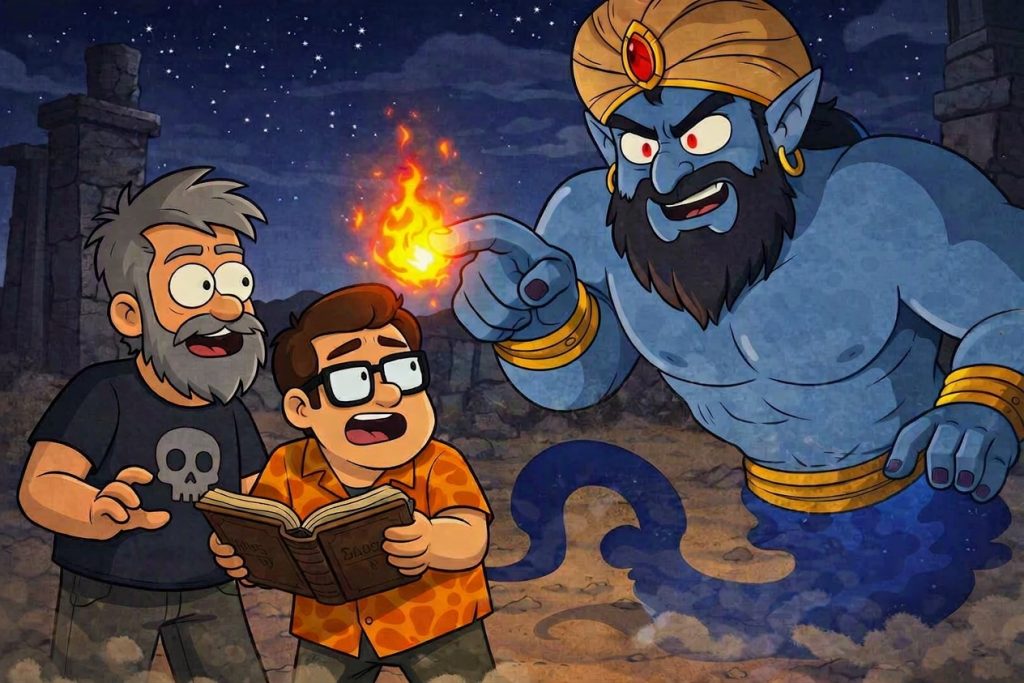
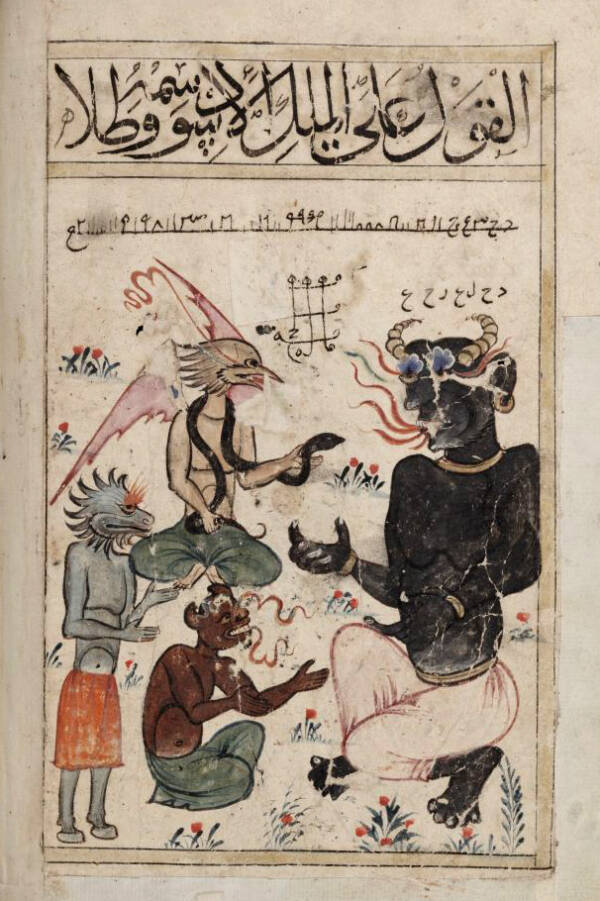
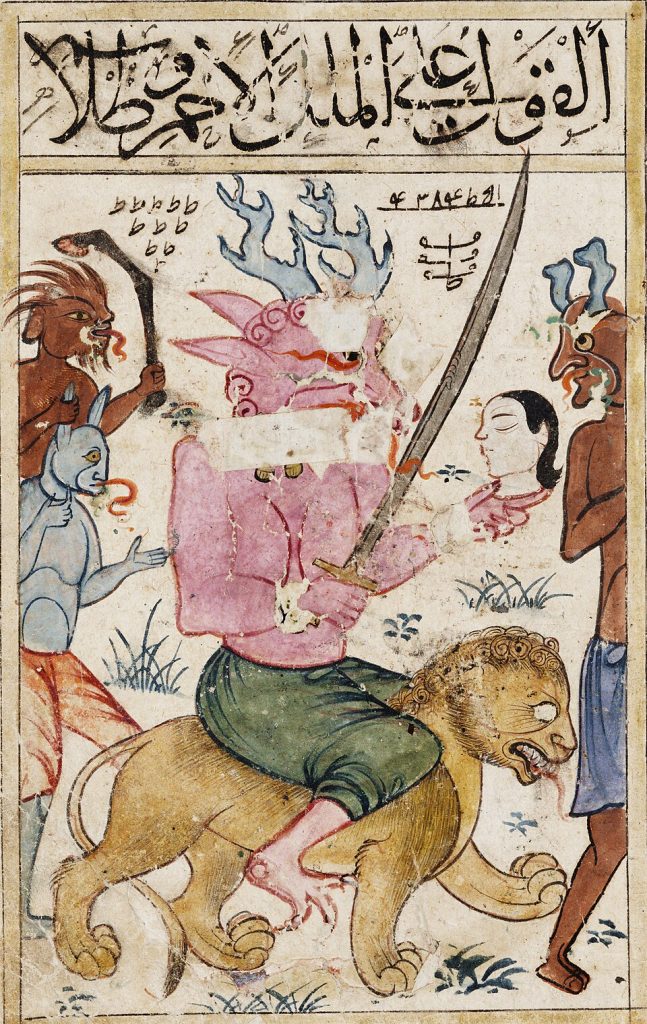
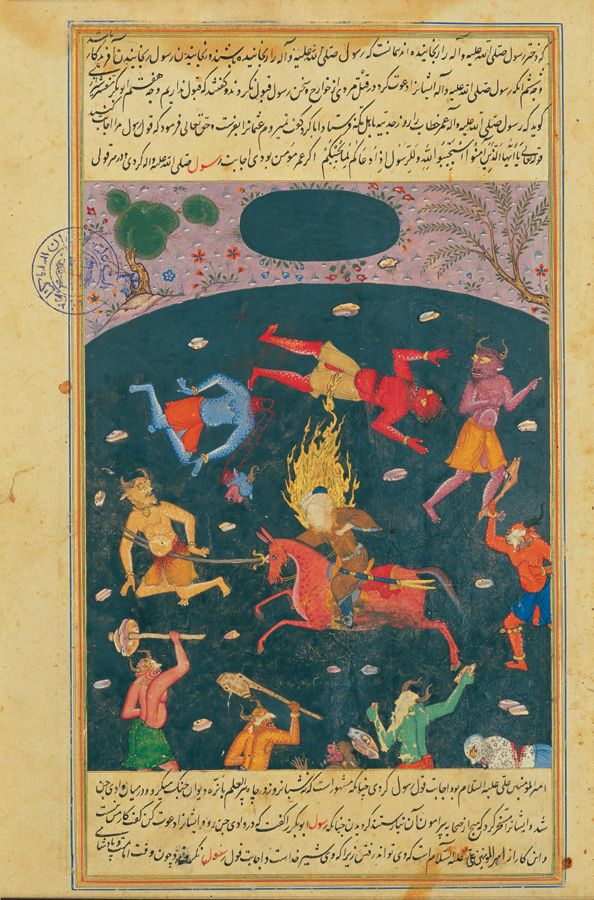
This week, the Boo‑Foons turn their attention to one of the oldest and most mysterious legends in human history, the Jinn. Said to be beings of smokeless fire, the Jinn dwell in deserts, ruins, and the unseen corners of the world, whispering in the dark and occasionally stirring up chaos in the homes of the living.
Ancient Fire and Modern Fear
Across centuries of folklore and theology, the Jinn have been described as powerful, unpredictable, and deeply tied to human fate. Some stories paint them as tricksters or teachers; others as possessive forces that blur the line between myth and madness. From Qur’anic references to desert legends, the Boo‑Foons unpack how these entities became symbols of both fear and fascination.
Jinn vs. Genie
Dan and Steve explore the surprising divide between the Jinn of ancient belief and the Genie of modern pop culture. Where one is elemental and unknowable, the other is wish‑granting and whimsical, a transformation that reveals how folklore evolves with time and storytelling.
Whispers in the Dark
Through tales of possession, encounters, and desert wanderers, the Boo‑Foons discuss how the idea of the Jinn continues to haunt the modern imagination. Are they metaphors for unseen energy, or something far older still moving through the world?
One thing’s certain, when you talk about the unseen, sometimes the unseen listens back.
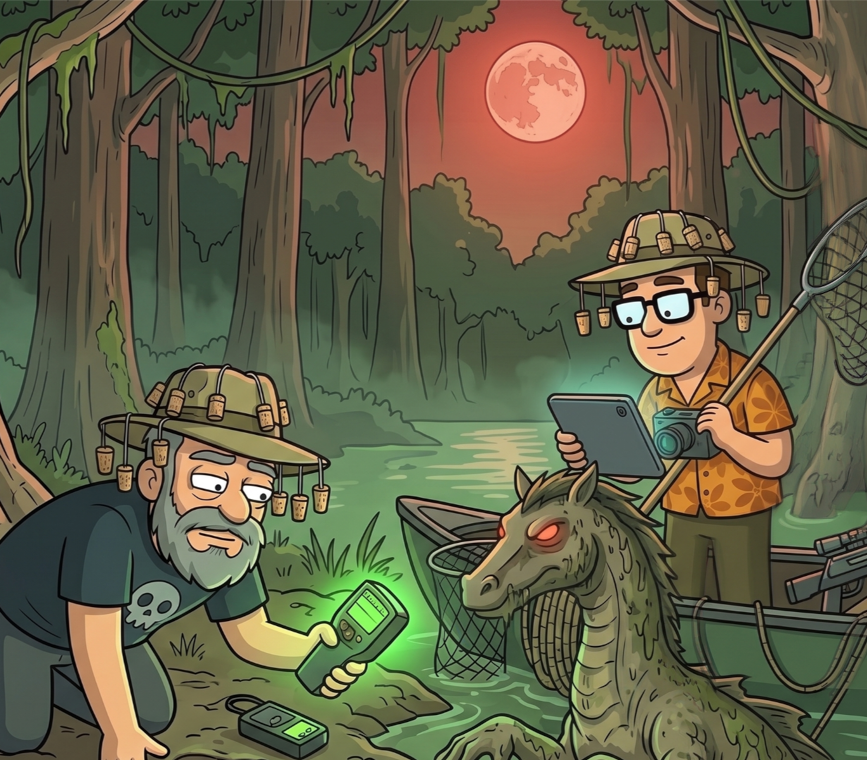
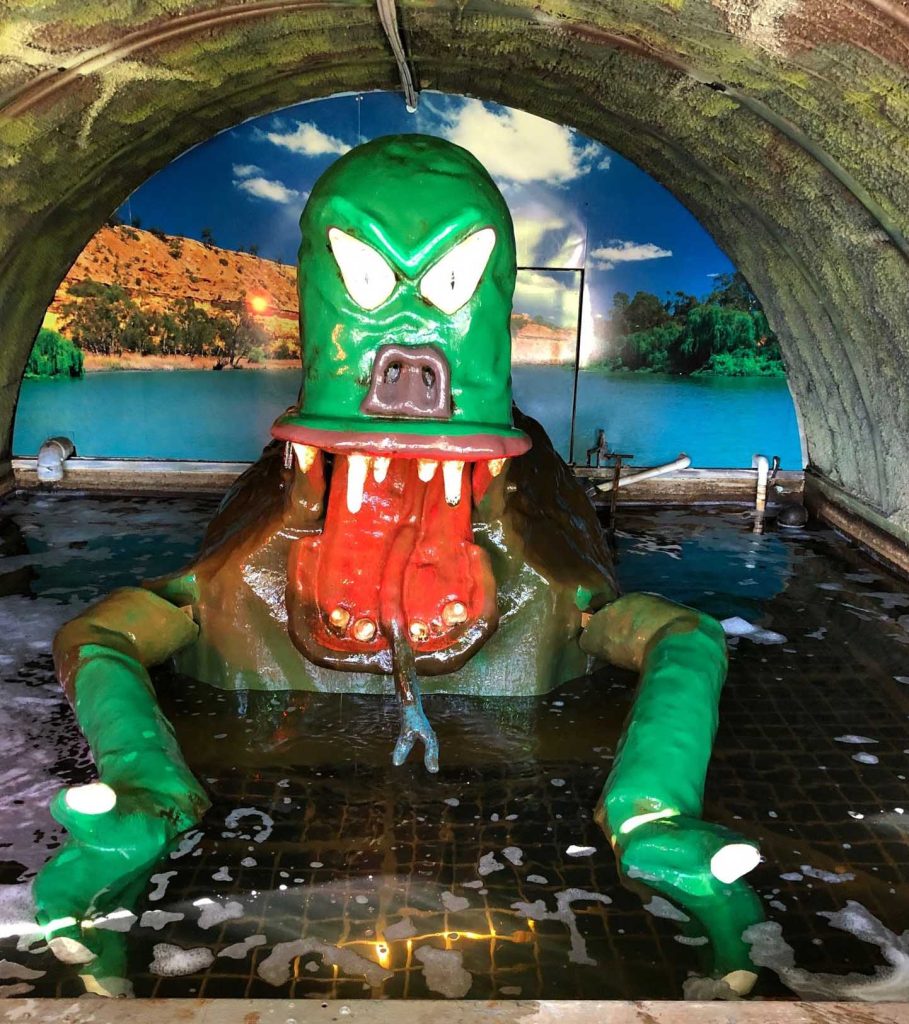
This week, the Boo‑Foons dive into one of Australia’s most atmospheric legends: the bunyip. A creature said to lurk in billabongs, volcanic lakes, mangrove swamps, and the shadowy edges of colonial history, the bunyip has fascinated, and unsettled generations.
Folklore in the Floodplains
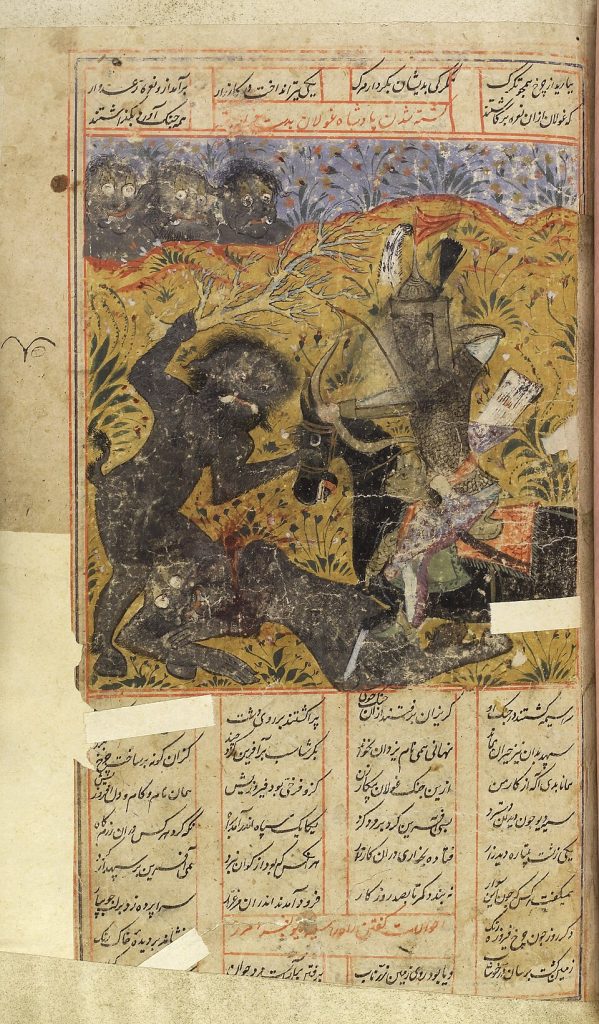
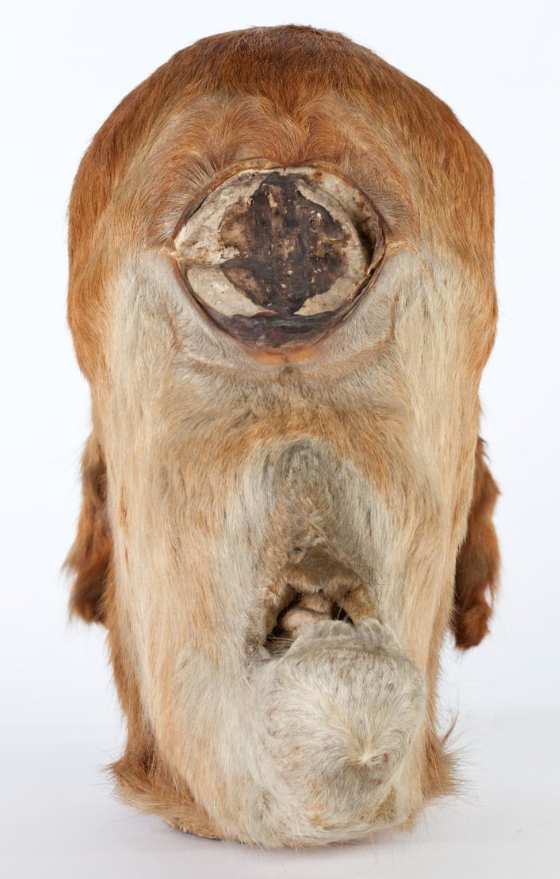
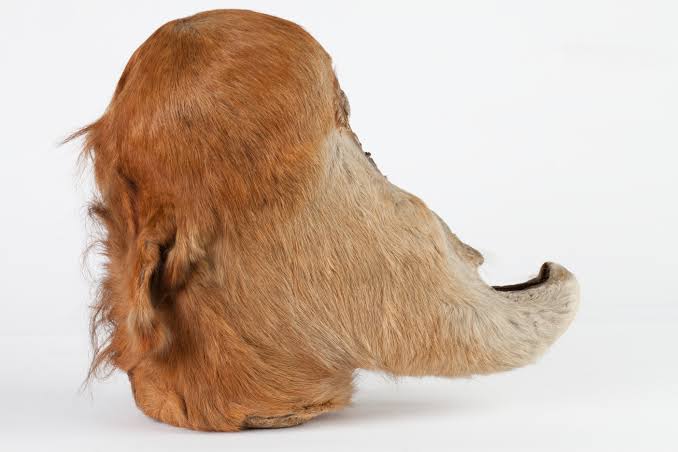
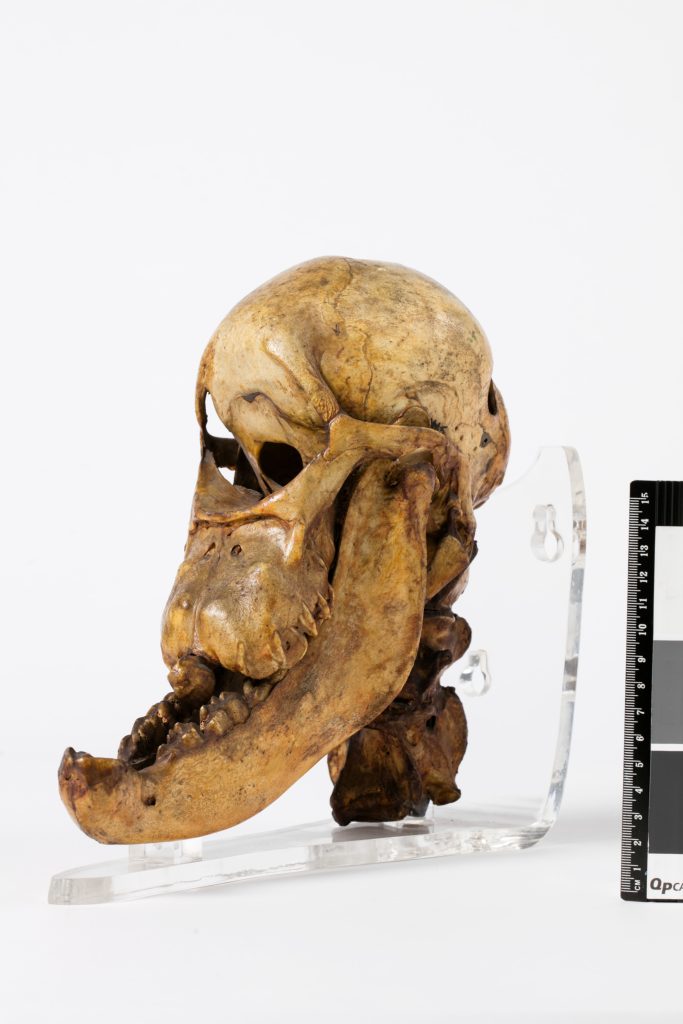
Aboriginal stories describe the bunyip as a powerful presence tied to water, danger, and respect for sacred places. Colonial accounts, meanwhile, added their own dramatic flair, reporting strange sightings and mysterious noises echoing across wetlands. Some museums even displayed supposed “bunyip heads,” sparking debates that still ripple through Australian folklore today.
Megafauna or Myth?
Modern theories often point toward misidentified remains of ancient megafauna, creatures like the Diprotodon, but the bunyip’s cultural weight goes far beyond biology. It represents the idea that landscapes remember: every waterhole, every swamp, every sudden rise of water carries stories older than any written record.
A Conversation Beneath the Surface
Dan and Steve explore how these tales blend fear, caution, and curiosity. From rising waterholes to eerie ripples in still lakes, the bunyip sits at the crossroads of folklore, natural mystery, and the human instinct to explain what moves in the dark.
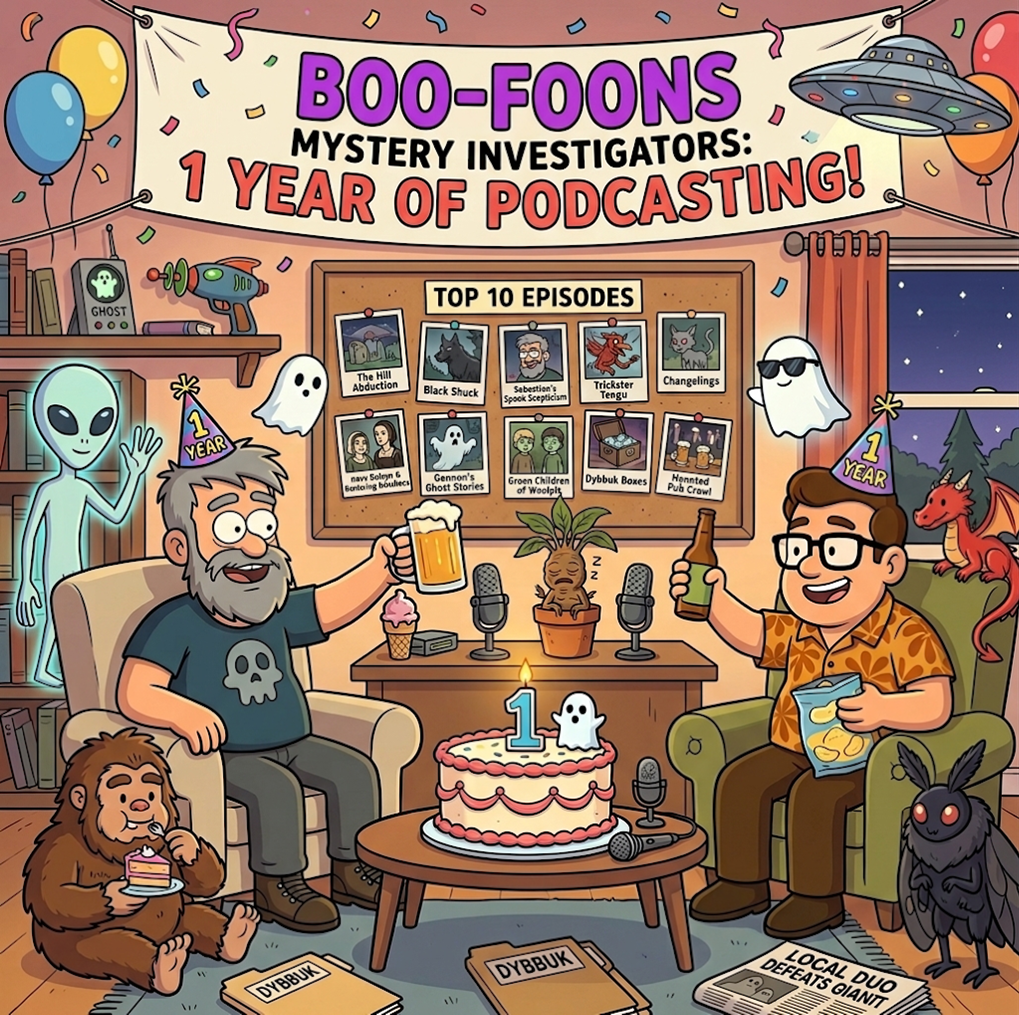
Twelve months ago, the Boo‑Foons began as a simple idea, two friends, two microphones, and a shared fascination with the weird, the haunted, and the wonderfully unexplained. What followed was a year of growth, creativity, and outright chaos that transformed the show from a passion project into a fully realised paranormal‑comedy universe. With 78 episodes released with Mysteries and Off The Case, We’ve built something that listeners return to week after week, not just for the stories, but for the unmistakable chemistry and humour that define the show.
Across the first year, the Boo‑Foons explored an extraordinary range of topics. Ghosts became a central pillar of the podcast, from chilling Tower of London sightings to ancient Roman hauntings and the eerie legends surrounding ghost ships like the Lady Lovibond and El Caleuche. These episodes blended genuine curiosity with the Boo‑Foons’ trademark humour, turning every haunting into a story that felt both atmospheric and entertaining.
Folklore deep‑dives became another defining strand of the show. Over the past year, you explored Japanese yokai, tengu, and kappa mythology, unravelled the unsettling world of European changelings, ventured into Australian bunyip folklore, and examined the legend of Black Shuck and Britain’s spectral black dogs. These episodes helped establish the Boo‑Foons as storytellers who approach folklore with both respect and irreverence, making ancient tales feel fresh, accessible, and sometimes hilarious.
The cosmic side of the paranormal found its place too. UFOs, alien abduction lore, and high‑strangeness stories added a different flavour to the show, with episodes covering cases like the Allagash abductions and deep‑dives into cult sci‑fi horror such as Xtro. These explorations attracted listeners who love the strange, the cinematic, and the unexplained, expanding the Boo‑Foons universe beyond ghosts and folklore into the wider realm of weird phenomena.
Guests played an important role throughout the year, bringing new voices and perspectives into the Boo‑Foons world. Paranormal investigators, folklore experts, sound engineers, and fellow creatives all contributed to episodes that broadened the show’s scope without ever losing its signature tone. These conversations added depth and variety, helping us evolve while staying true to our roots.
And of course, no Boo‑Foons episode would be complete without the tangents. The derailed conversations, improvised nonsense, unexpected debates, and laughter that spirals out of control have become part of the brand itself. These moments are a huge reason listeners stay, because they capture the heart of the show, two friends having fun while diving into the unknown.
After 12 months, we’ve have achieved something quite rare. We’ve tried to build a podcast with personality, consistency, and a loyal international audience. We’ve created a space where folklore, ghosts, mysteries, and humour coexist naturally.
If year one was the origin story, year two is the expansion. Bigger investigations, deeper folklore, more guests, more experiments, and inevitably, more chaos await. The Boo‑Foons aren’t slowing down, they’re levelling up.
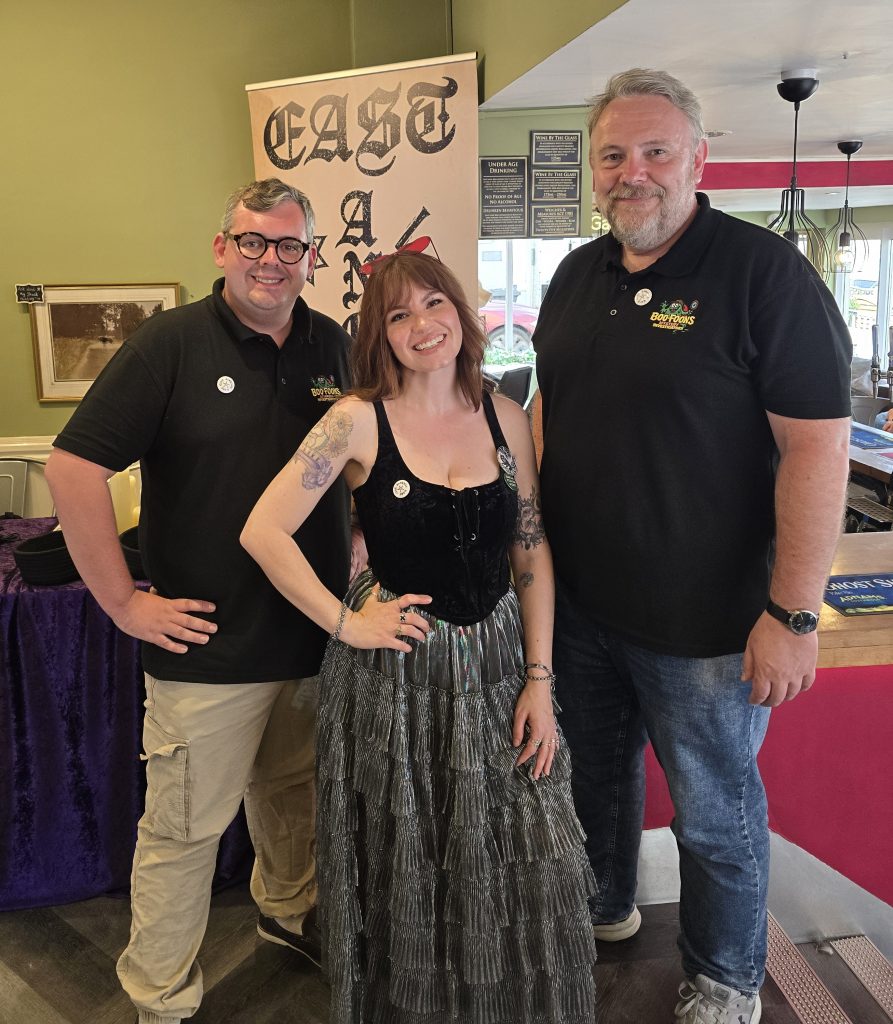
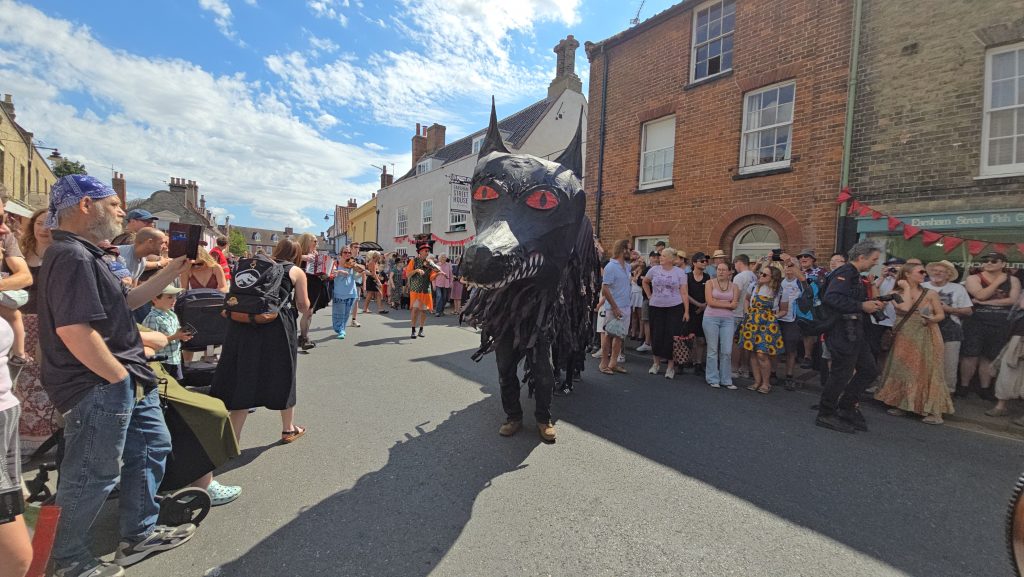
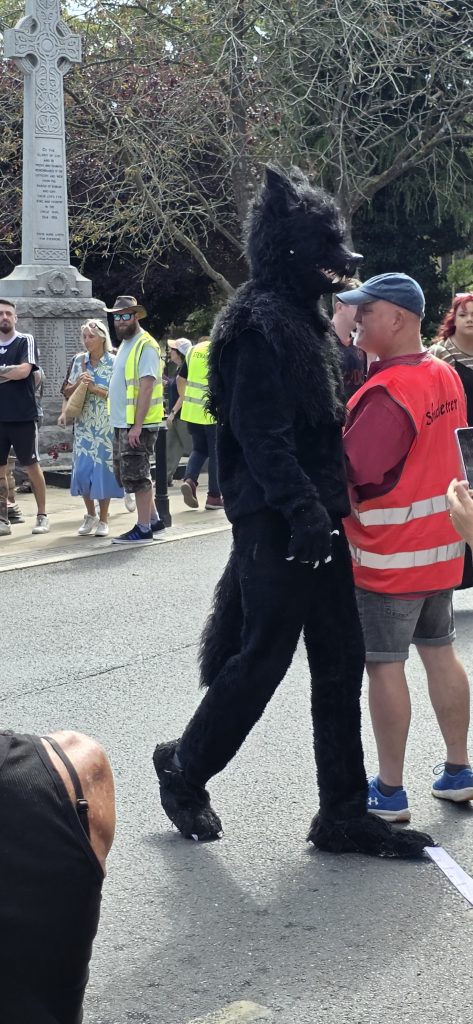
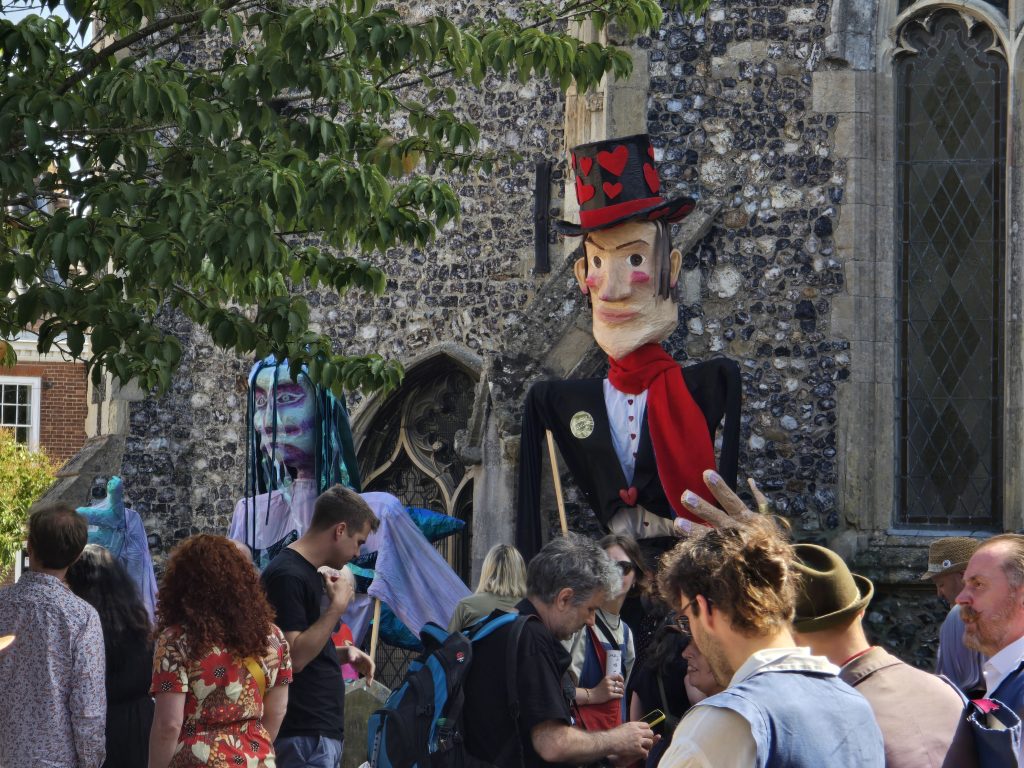
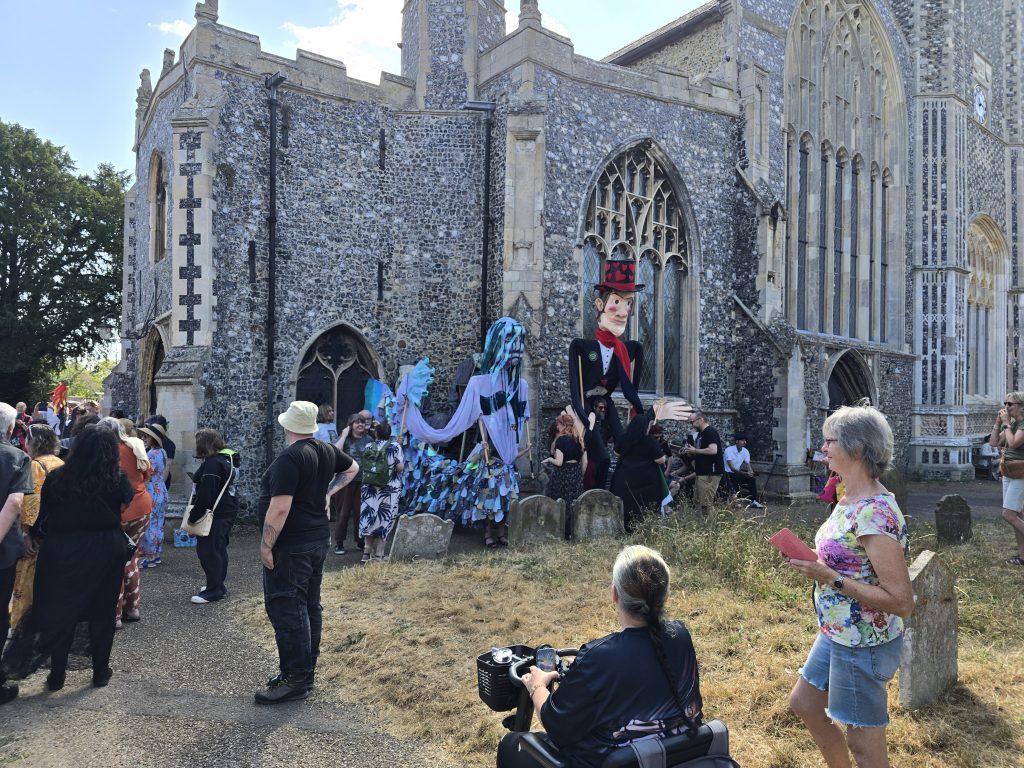
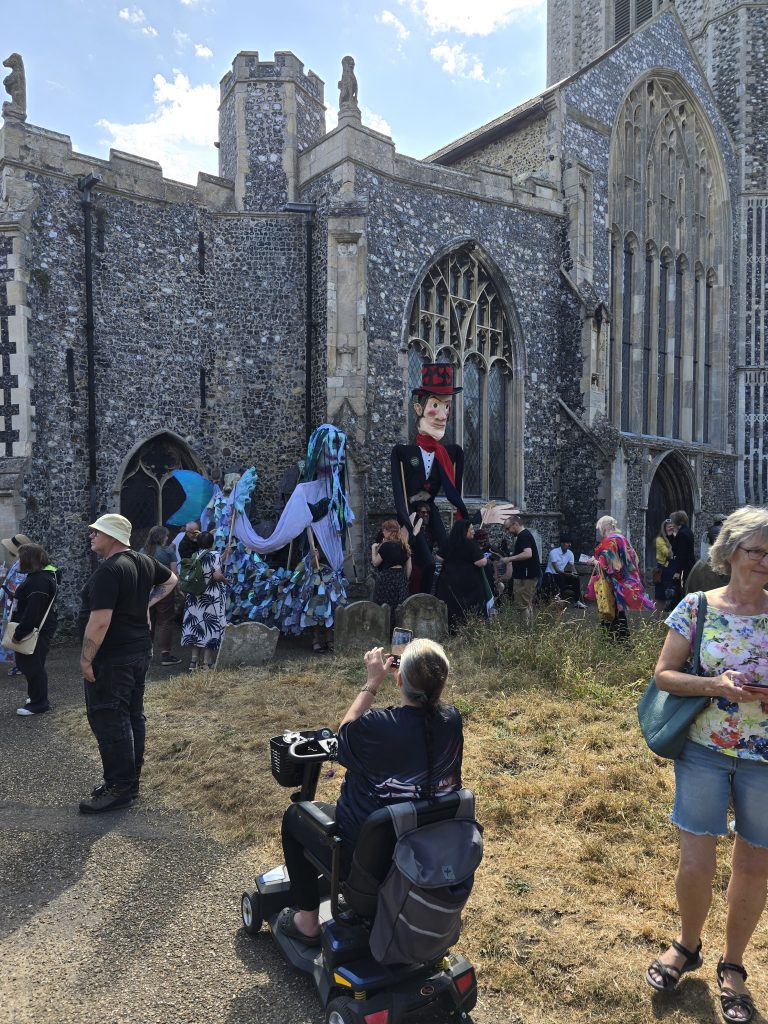
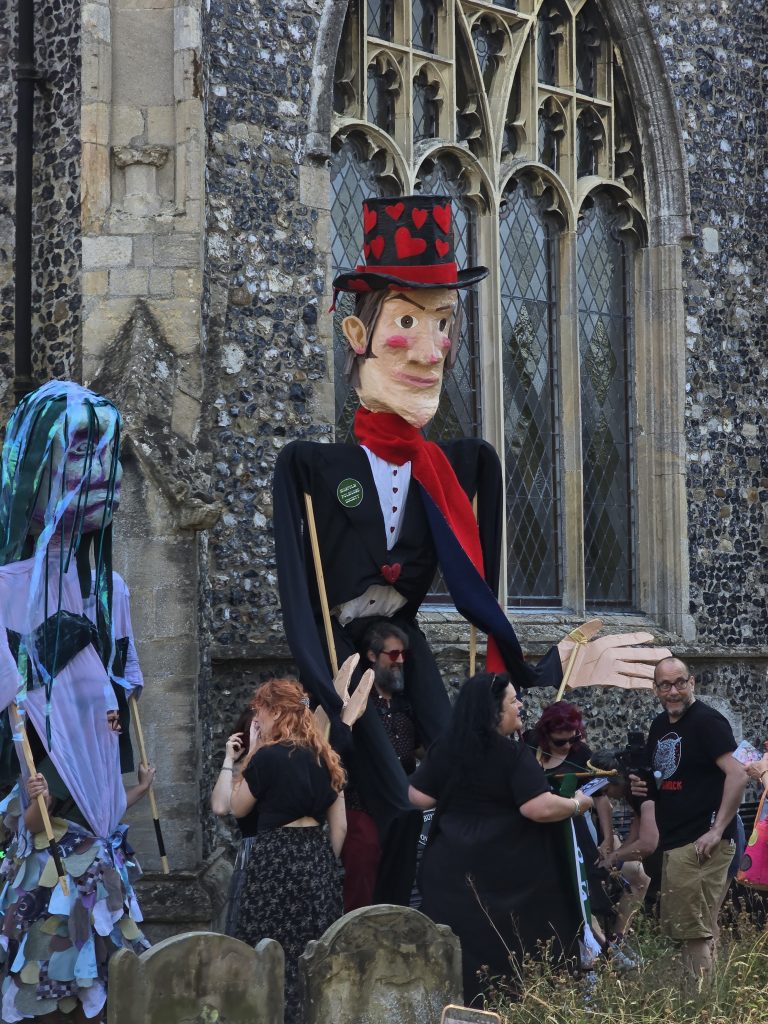
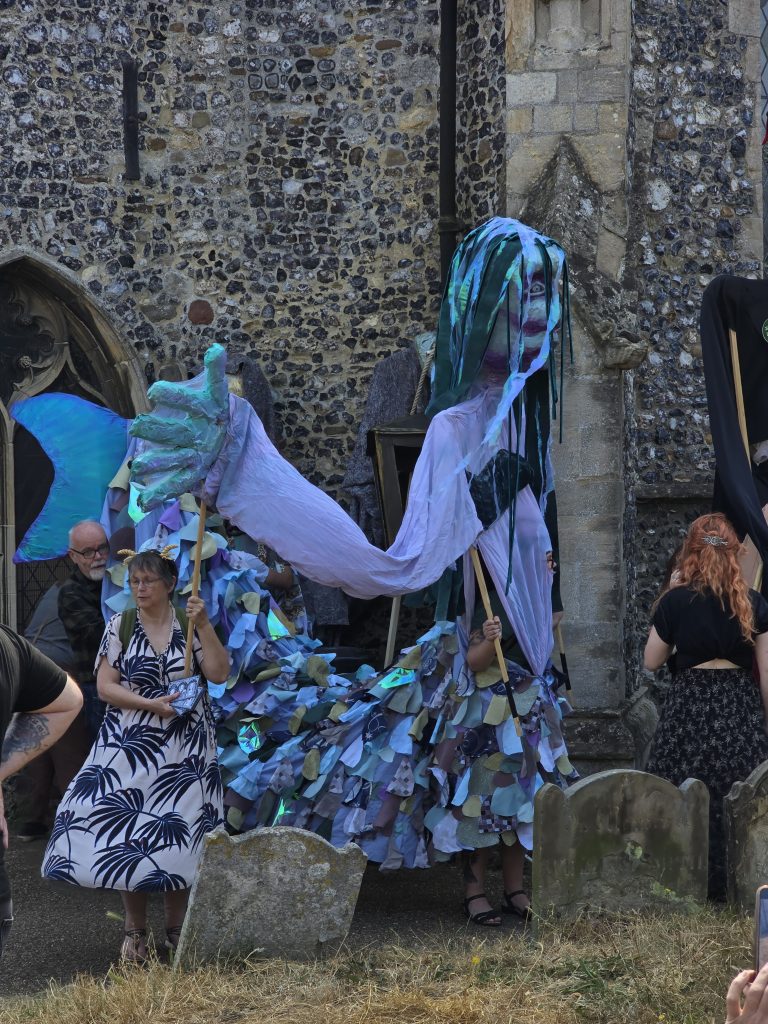
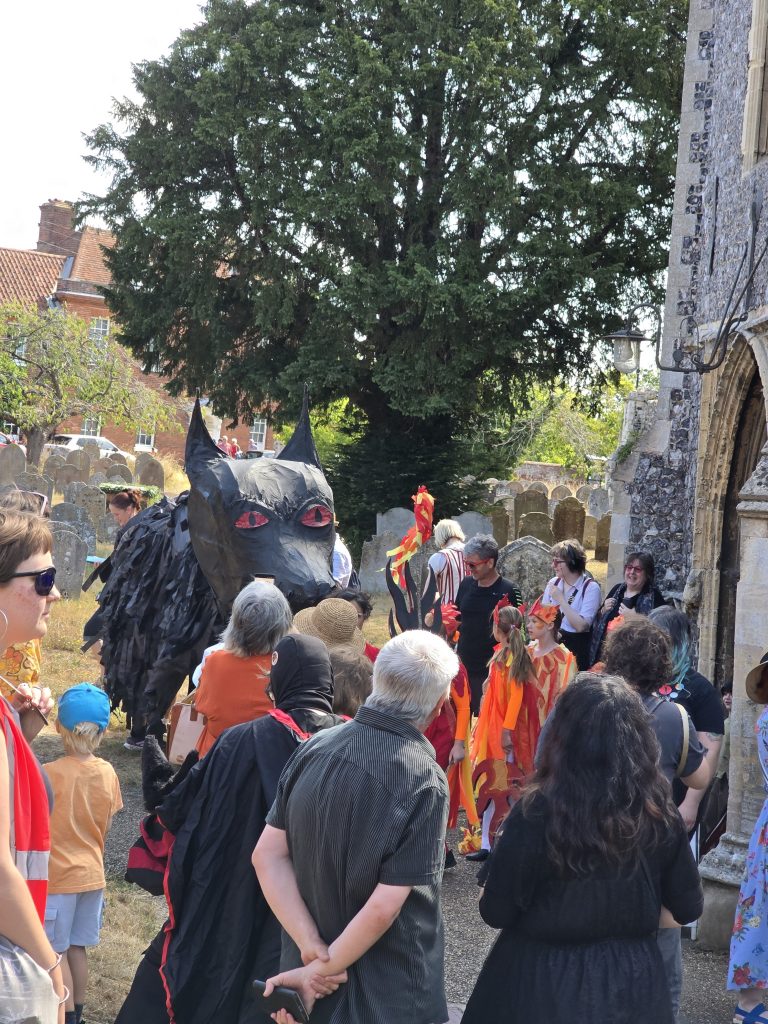
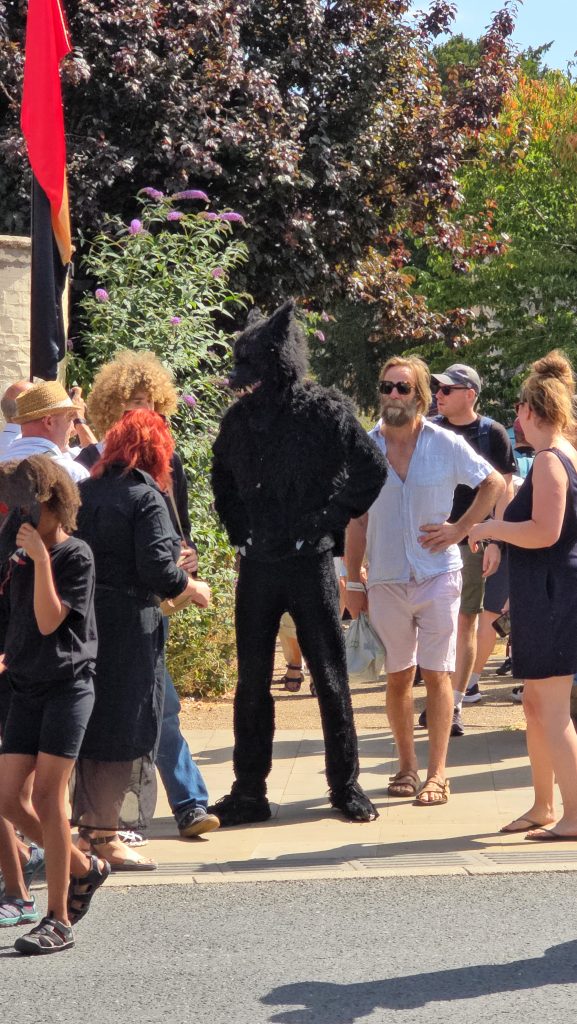
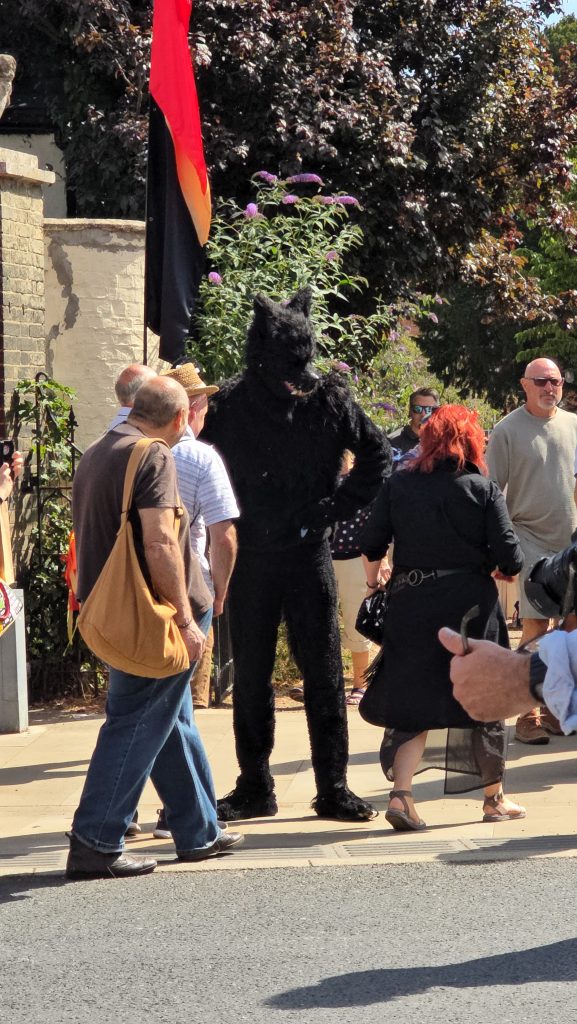
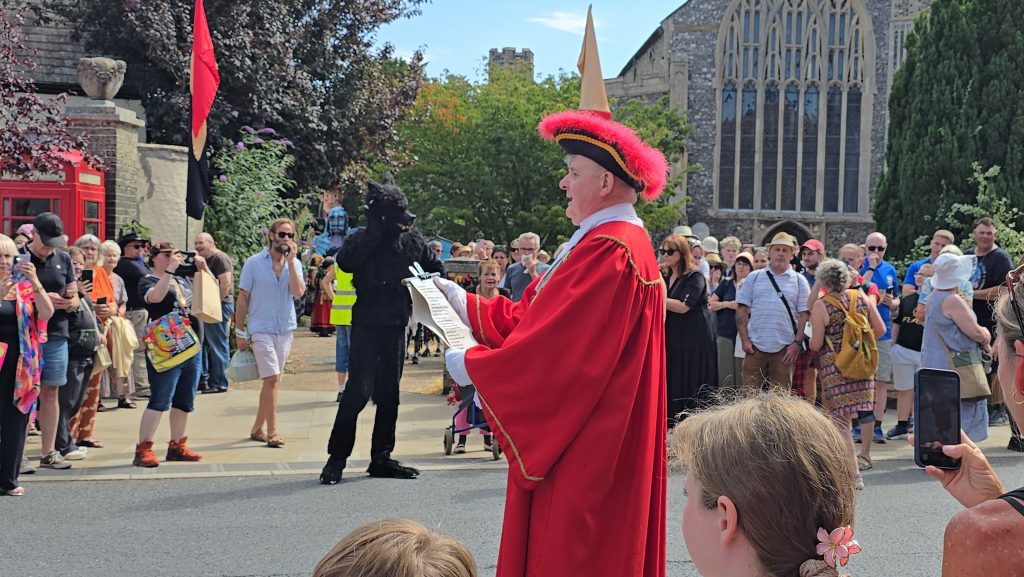
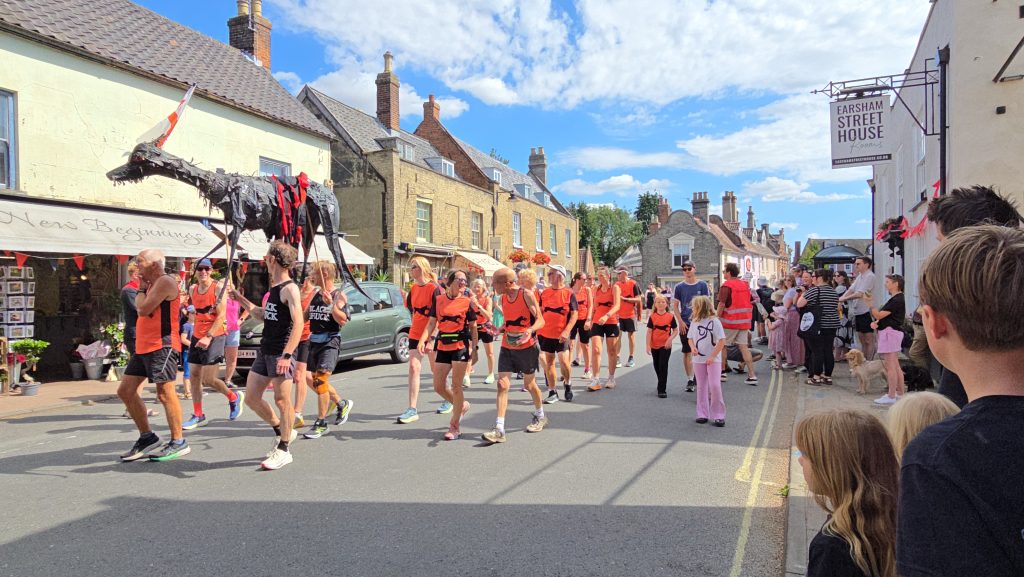
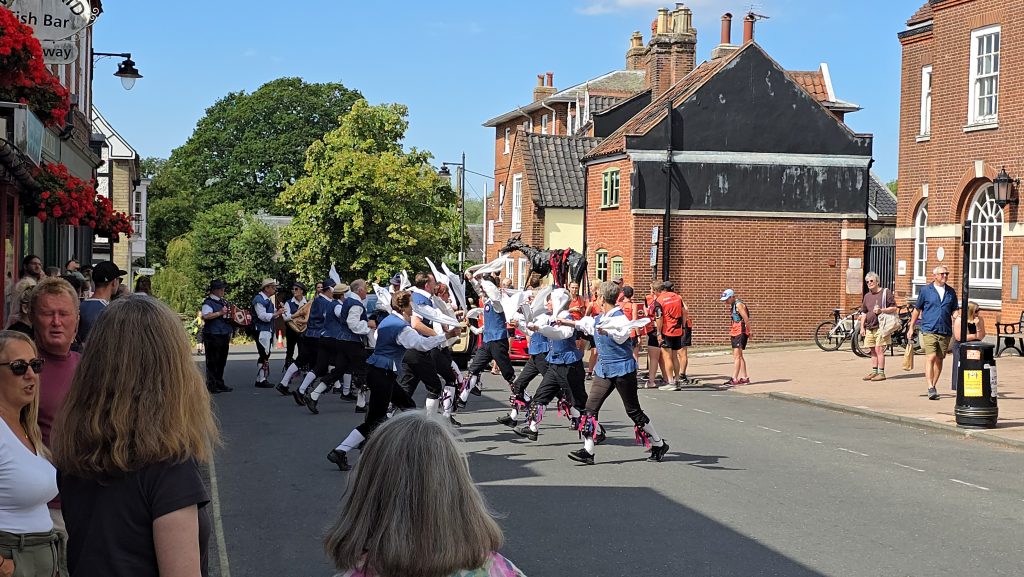
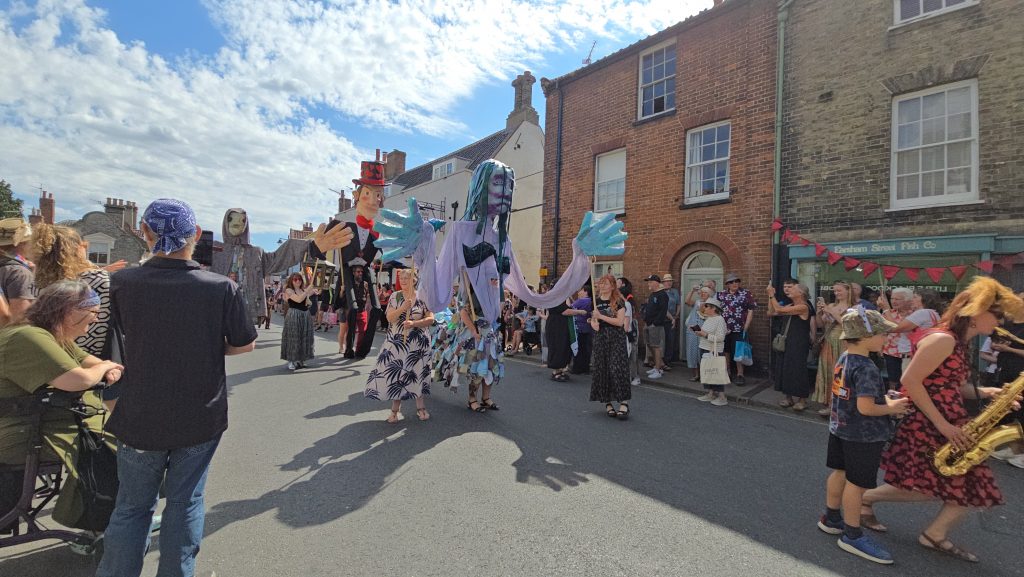
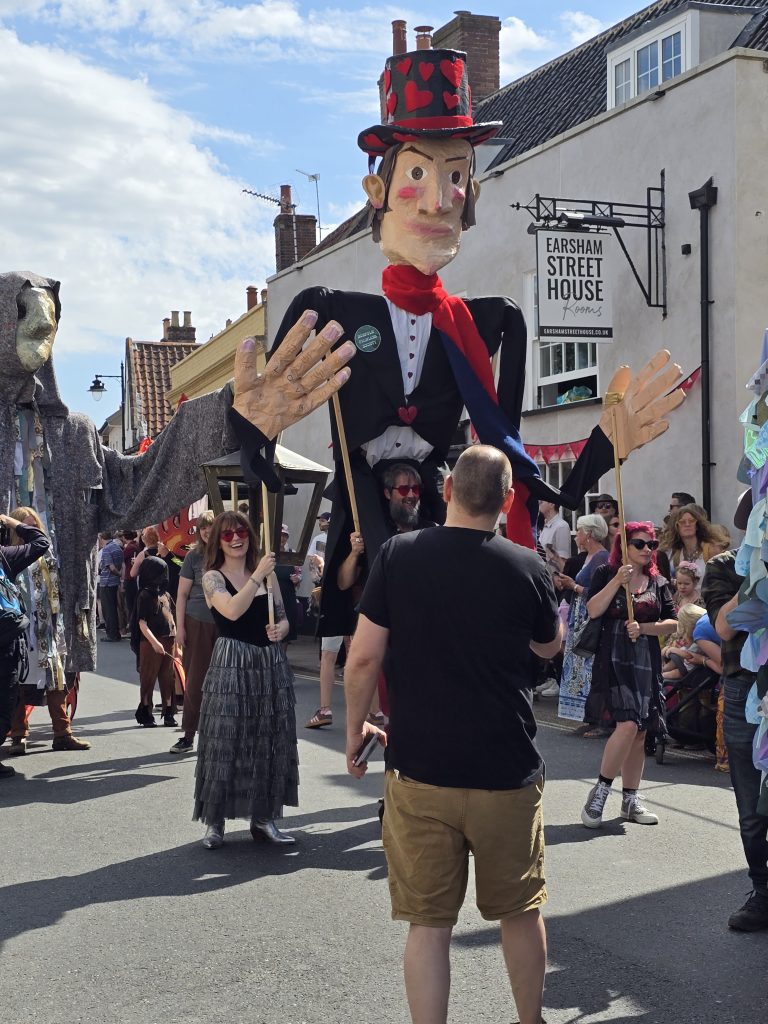
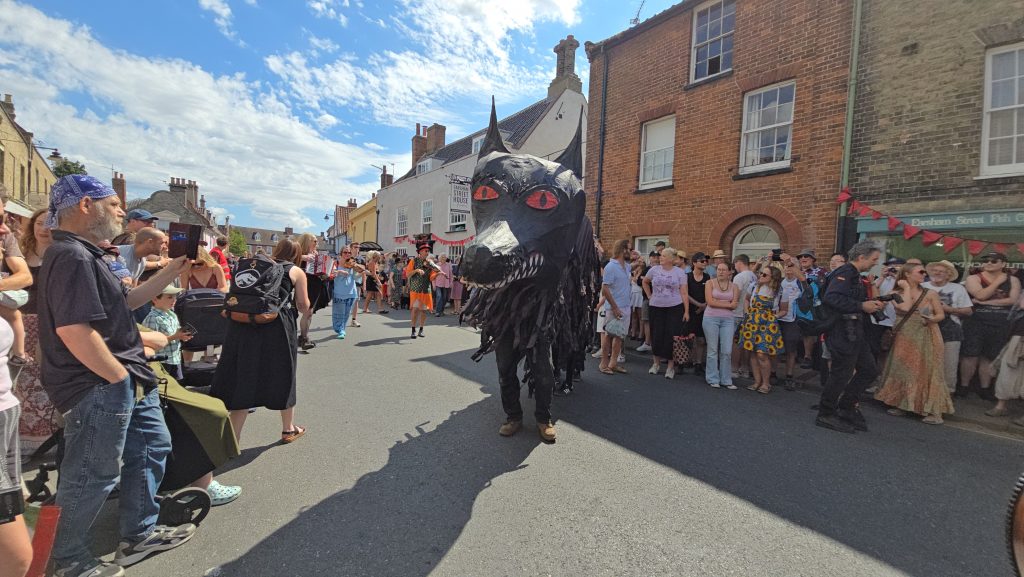
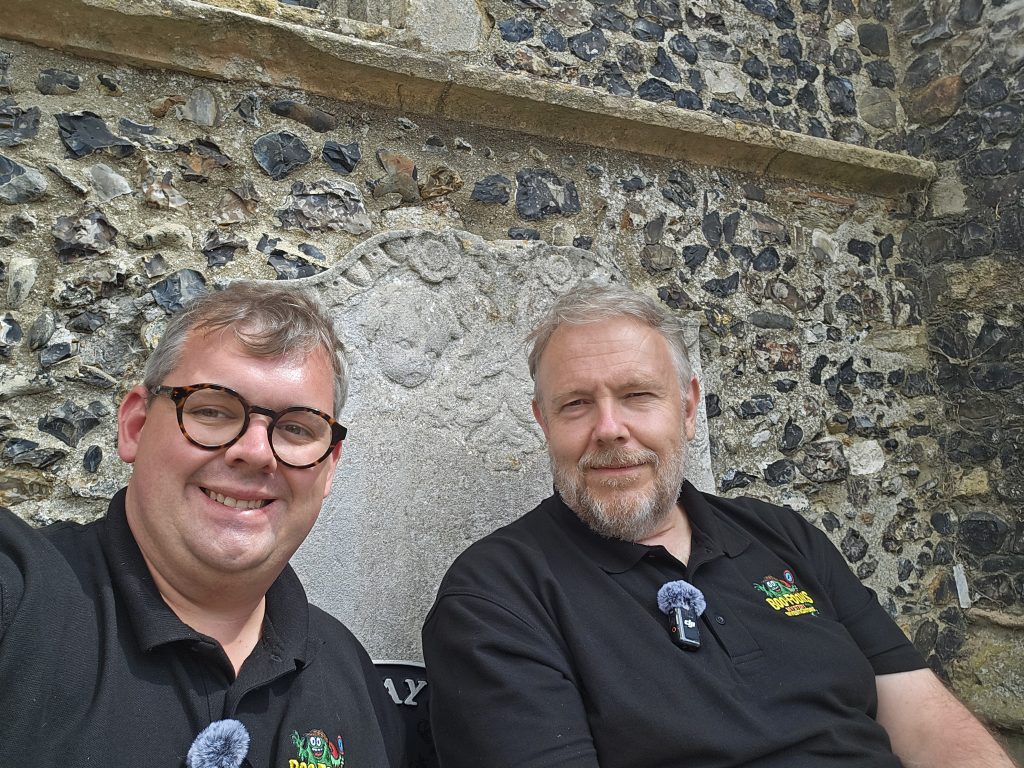
This week, the Boo‑Foons head deep into the storm‑lit folklore of East Anglia as Steve and Dan travel to the Black Shuck Festival for a very special conversation with Katie, better known as East Anglian Kage. A folklorist, practicing witch, and true Folkstorian, Katie guides the Boo‑Foons through centuries of charms, curses, churchyard legends, and the eerie tales that cling to Norfolk and Suffolk like coastal mist.
Together, they explore how stories evolve, survive, and shape the identity of the land, and why East Anglia remains one of Britain’s richest landscapes for supernatural lore.
East Anglia: A Land Built for Legends
Katie begins by painting a picture of Norfolk and Suffolk not just as counties, but as folkloric ecosystems. Wide skies. Marshes that swallow sound. Flint churches standing on ancient ground. Lanes where the wind carries old warnings.
East Anglia’s folklore thrives because the landscape itself feels unfinished, full of liminal spaces where the ordinary world thins.
Katie explains how these stories aren’t static. They shift with each generation, absorbing new fears, new symbols, and new interpretations. Folklore is a living creature, and East Anglia is its perfect habitat.
Black Shuck: East Anglia’s Burning‑Eyed Guardian
No Boo‑Foons trip to East Anglia would be complete without confronting Black Shuck, the region’s most infamous spectral hound.
Katie dives into the legend’s deep roots:
The 1127 Peterborough Chronicle, describing ghostly huntsmen and black hounds
The 1577 Bungay and Blythburgh church events, where Shuck allegedly burst through the doors during a storm
The claw marks still visible on Blythburgh’s church door
The way Shuck’s image shifts, sometimes a harbinger, sometimes a protector
Katie’s has a familiar link to Shuck and a perspective that reframes Shuck not as a monster, but as a cultural guardian, a symbol of East Anglia’s identity, fear, resilience, and storytelling tradition.
Witchcraft, Magic & Rural Belief
As a practicing witch and folklorist, Katie brings a rare dual insight into East Anglia’s magical heritage.
Katie emphasises that witchcraft in East Anglia is not just history, it’s a living practice woven into the land, the people, and the stories they keep.
We Are Witch Quilt
We Are Witch is a collaborative project that honours the women killed under the Witchcraft Act in East Anglia.
Meeting East Anglian Kage at the Black Shuck Festival wasn’t just an interview, it was a journey into the living heart of East Anglian folklore.
Katie’s concept of Folkstory captures exactly what the Boo‑Foons love most: Stories that breathe. Stories that change. Stories that refuse to die.
From spectral hounds to witch‑marks, from churchyard storms to charms whispered across generations, East Anglia remains one of Britain’s most enchanted landscapes, and this conversation proves it.
Find out more about East Anglian Kage on Instagram
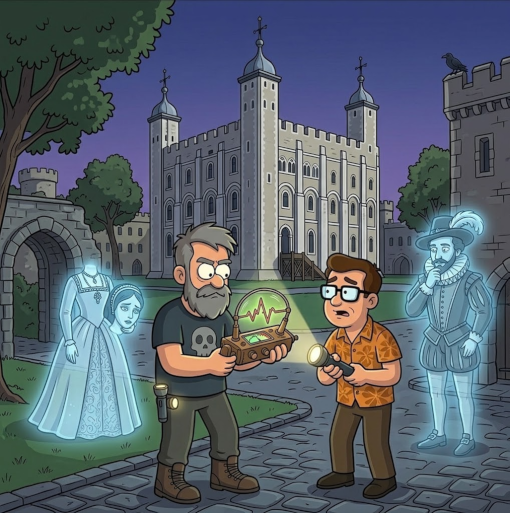
The Tower of London has a reputation for being one of Britain’s most historic, and most haunted landmarks. With nearly a thousand years of royal intrigue, imprisonments, executions, and questionable medieval decision‑making baked into its stone walls, it’s no surprise the place is packed with legends. Some are tragic, some are bizarre, and some involve a phantom bear nobody asked for.
If you’re into Tudor tantrums, spectral sightings, and stories that make you rethink walking down dark corridors, the Tower delivers in full.
Anne Boleyn: The Headless Icon of Tower Lore
Anne Boleyn remains the Tower’s most famous ghost. Executed in 1536, she’s said to wander the grounds with her head tucked neatly under her arm, a detail that feels both dramatic and deeply inconvenient.
Reports place her near the Chapel Royal of St Peter ad Vincula, where she was buried. Visitors describe a sudden chill, a flicker of movement, or the unmistakable sense that someone is standing just behind them. Anne, as ever, keeps her own counsel.
The Phantom Bear
The Tower once housed a royal menagerie, including lions, monkeys, and a polar bear that went fishing in the Thames. But the strangest leftover is the ghost bear, said to appear near the Martin Tower.
Witnesses have described a looming shape, a growl, or the instinctive urge to run despite not seeing anything clearly. Whether it’s a remnant of the old menagerie or just the Tower showing off, it’s one of the site’s most unexpected hauntings.
Traitor’s Gate: Where History Gets Heavy
Traitor’s Gate is one of the Tower’s most chilling locations. Prisoners arrived here by boat, passing beneath the arch knowing they were unlikely to leave again. Anne Boleyn, Sir Thomas More, and countless others entered through this water gate on their final journey.
The atmosphere is unmistakably sombre, a place where centuries of fear and resignation seem to cling to the stone.
The Bloody Tower: Mystery, Cold Spots, and Unfinished Stories
The Bloody Tower is home to one of England’s most unsettling mysteries: the disappearance of the Princes in the Tower. Edward V and his younger brother Richard vanished in 1483, and their fate remains a historical cold case.
Visitors often report strange sounds, sudden temperature drops, and the feeling of being watched. Whether it’s the princes, their captors, or something else entirely, the Bloody Tower has a way of making people glance over their shoulders.
The Jewel House: Guarded by a Ghost Who Still Takes His Job Seriously
The Crown Jewels attract millions of visitors, but according to legend, they’re also watched over by a ghostly keeper who continues his patrol centuries after his death. Staff and visitors have reported glimpses of a figure moving silently through the Jewel House, as if checking that everything is still in its rightful place.
Modern security may be impressive, but the supernatural night shift seems equally committed.
A Fortress Full of Ghosts Who Didn’t Sign Up for Visitors
The Tower of London is a rare place where history and haunting overlap so tightly that separating fact from folklore becomes part of the fun. From headless queens to spectral animals, it’s a fortress filled with stories, some tragic, some eerie, and some downright strange.
Whether you’re a history buff, a ghost enthusiast, or someone who enjoys a good mystery, the Tower remains one of Britain’s most compellingly haunted landmarks.
Into the Allagash: The Boo‑Foons Confront Maine’s Most Haunting UFO Case
Deep in the vast, pine‑shadowed wilderness of northern Maine, the Boo‑Foons set out this week to unravel one of America’s most unsettling UFO encounters, the Allagash Abductions. It’s a case that has lingered for decades in the public imagination, equal parts eerie, controversial, and strangely compelling. What began as a simple canoe trip in the summer of 1976 spiralled into blinding lights, missing time, and memories that would only surface years later under hypnosis.
This is the kind of story that pulls Dan and Steve straight into the heart of the unknown.
The Trip That Should Have Been Ordinary
In August 1976, four art students, Jim and Jack Weiner, Charlie Foltz, and Chuck Rak, paddled into the Allagash Waterway, a remote stretch of lakes and forest where civilisation thins into silence. Their plan was simple: camp, fish, sketch, and enjoy the isolation.
But on the second night, as they drifted across Eagle Lake, something appeared above the treeline.
A bright, white light, too intense, too controlled, too deliberate to be anything natural, hovered over the water. The men signalled it with a flashlight. The light responded.
Moments later, it surged toward them.
Missing Time on Eagle Lake
The group remembered panic. They remembered paddling furiously toward shore. They remembered the craft bearing down on them with impossible speed.
And then… nothing.
The next thing they knew, they were on land, the fire they had built earlier now burned down to embers, far too low for the short time they believed had passed. Their memories were fragmented, disjointed, and strangely hollow. Something had happened, but none of them could articulate what.
It wasn’t until years later, through separate hypnosis sessions, that each man described the same disturbing scenario: being taken aboard a craft, examined by non‑human beings, and returned without explanation.
Whether these recollections were genuine memories or hypnotic constructions remains fiercely debated. But the consistency of their accounts, and the intensity of their fear, cemented the Allagash incident as a cornerstone of modern UFO lore.
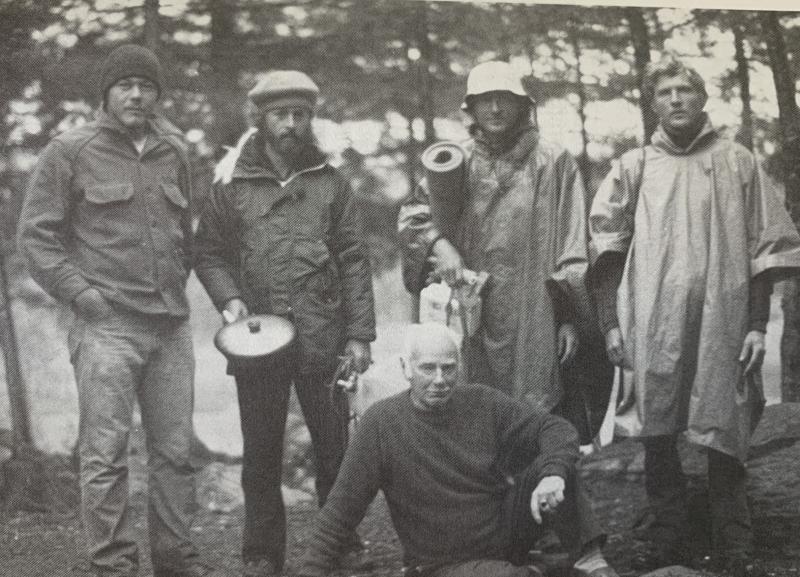
From left to right in back: Charlie Foltz, Chuck Rak, and the Weiner twins. Seated man never gave his name.
Dan and Steve Follow the Trail
For the Boo‑Foons, the Allagash case is more than a campfire tale. It’s a rare blend of wilderness isolation, multiple witnesses, and a timeline that refuses to behave normally.
Their investigation leads them across Eagle Lake, retracing the canoe route and pinpointing the exact stretch of shoreline where the craft seemed to watch from the trees. They dig into the original interviews, the hypnotic regressions, and the later disputes that fractured the group’s testimony. They explore how the case exploded into national attention in the 1980s and 90s, becoming a staple of UFO documentaries and late‑night radio.
And they confront the lingering question at the heart of the Allagash story:
What really happened out there?
Was it a shared hallucination triggered by exhaustion and isolation? A misidentified aircraft? A psychological phenomenon amplified by hypnosis? Or did four young men truly encounter something beyond human understanding in the dark stillness of Eagle Lake?
Why the Allagash Still Matters
The Allagash Abductions endure because they sit at the crossroads of belief and uncertainty. The wilderness setting, the multiple witnesses, the missing time, all of it creates a narrative that refuses to fade. Even skeptics admit the case is unusually complex.
For Dan and Steve, it’s a perfect Boo‑Foons investigation: atmospheric, mysterious, and rich with human emotion. It’s a story about fear, memory, and the strange ways the unknown can imprint itself on ordinary lives.
As the Boo‑Foons push deeper into Maine’s forests, one thing becomes clear, whatever happened on Eagle Lake in 1976, it left a mark that still ripples through UFO history today.
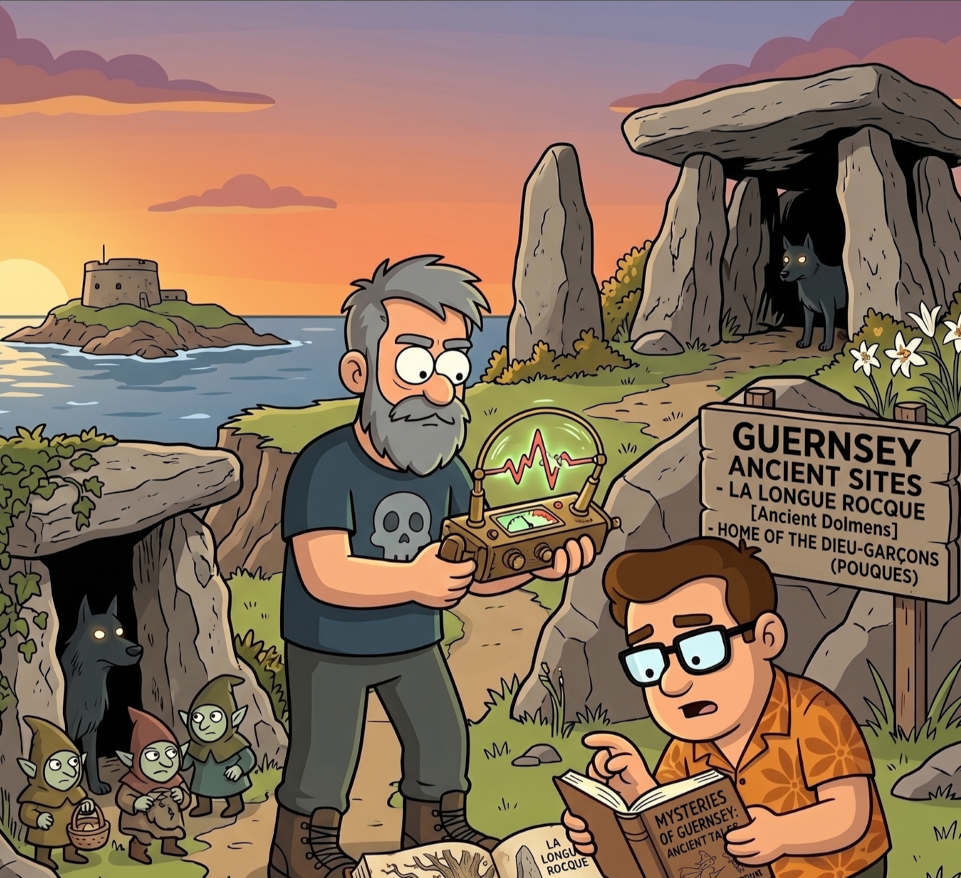
This week, the Boo‑Foons sail to Guernsey, plunging into one of the Channel Islands’ most mysterious corners of folklore. Beneath its postcard cliffs and granite dolmens lies a world of mischief, magic, and ancient superstition.
Beneath St Saviour’s Shadows
Dan and Steve set out to trace the island’s pouques, trickster fairies said to vanish into a secret tunnel network beneath St Saviour’s Church. Locals whisper that these tunnels connect to forgotten burial chambers and smugglers’ routes, where laughter echoes long after midnight.
The Tale of Le Grand Colin and Le Petit Colin
The duo uncover the haunting legend of Le Grand Colin and Le Petit Colin, two fairy brothers whose rivalry ended in tragedy.
Their story, carved into Guernsey’s oral tradition, speaks of jealousy, transformation, and the thin line between guardian spirits and vengeful shades.
The Gibet des Faies
At the windswept Gibet des Faies, the Boo‑Foons confront one of the island’s darkest myths, the mass suicide of the fairies. The site, marked by eerie silence and twisted hawthorn, is said to be cursed ground where the veil between worlds thins.
Devil’s Footprints and Witch‑Haunted Commons
Guernsey’s supernatural map stretches further still: Devil footprints scorched into coastal rock, witch‑haunted commons where charms were buried to ward off storms, and ghostly battlements at Castle Cornet, where spectral soldiers still patrol the ramparts.
A Labyrinth of Magic and Mischief
From the ancient dolmens of La Longue Rocque to the home of the Dieu‑Garçons, this island is a labyrinth of folklore\ a place where every cave might hide a pixie, every tide might carry a curse, and every Boo‑Foon investigation risks waking something that moves under the earth.
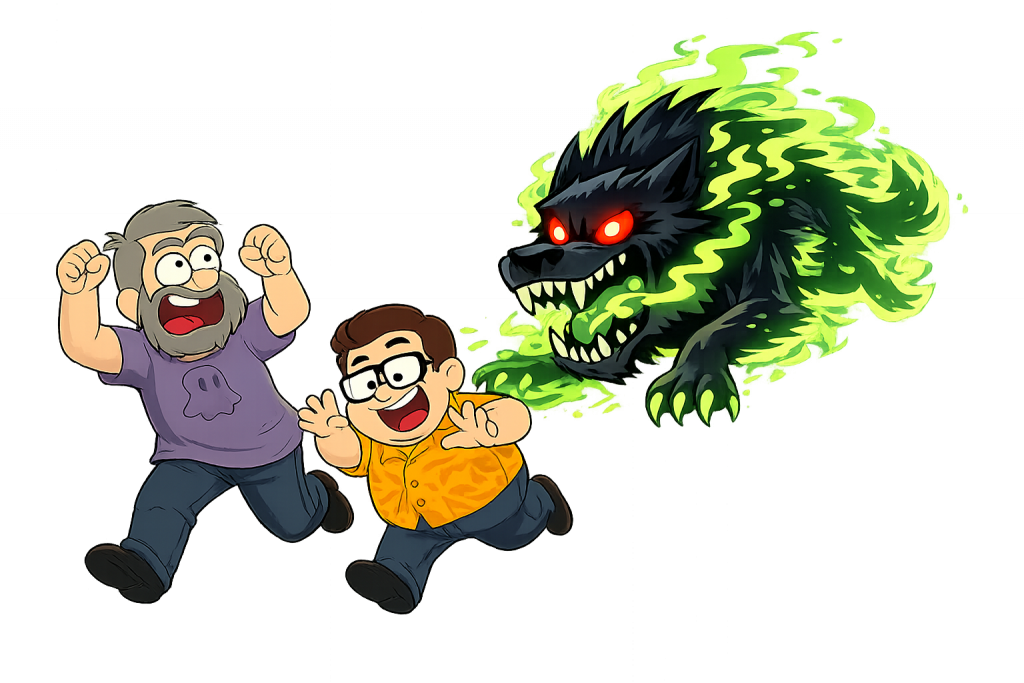
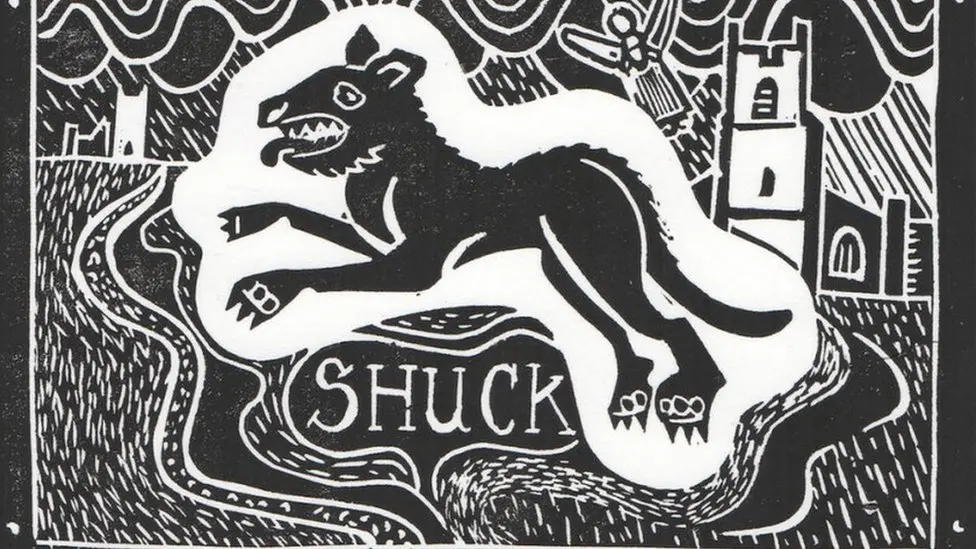
This week, the Boo‑Foons plunge into the storm‑soaked folklore of Britain to confront one of its most infamous supernatural legends, Black Shuck, the spectral hound said to prowl the windswept coasts and lonely lanes of East Anglia.
Who (or What) Is Black Shuck?
For centuries, locals have whispered of a giant black dog with flaming red eyes, sometimes described as the size of a calf, sometimes as tall as a man. His appearance is often said to foretell death, yet not all tales paint him as malevolent. In some stories, Shuck guards travellers from harm, padding silently beside them until they reach safety.
The earliest written accounts date back to the 16th century, including the chilling 1577 incident in Bungay and Blythburgh, where a lightning storm struck a church and villagers claimed to see the beast burst through the doors, leaving scorch marks that can still be seen today.
Across the Moors and Marshes
Dan and Steve follow the pawprints beyond East Anglia, tracing the legend’s cousins across Britain, from Dartmoor’s Wisht Hounds, spectral packs said to hunt the souls of the wicked, to the Barghest of Yorkshire. These tales inspired literary classics like The Hound of the Baskervilles, blending folklore with mystery and fear.
Protector or Omen?
Why do these ghostly hounds endure? The Boo‑Foons explore how they embody the tension between dread and guardianship, creatures of the threshold, half‑in our world and half‑in the storm. To some, they’re harbingers of doom; to others, loyal spirits watching over the living.
Tune In
Join the Boo‑Foons as they chase the legend through graveyards, coastal ruins, and moonlit moors, uncovering why Britain’s phantom dogs remain both feared and strangely beloved.