

Episode 24
Steve and Dan find themselves face-to-face with a botanical enigma, the legend of the mandrake.

What Is a Mandrake?
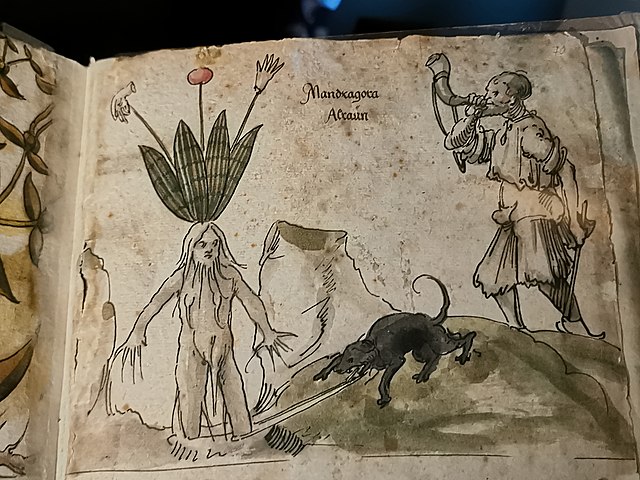
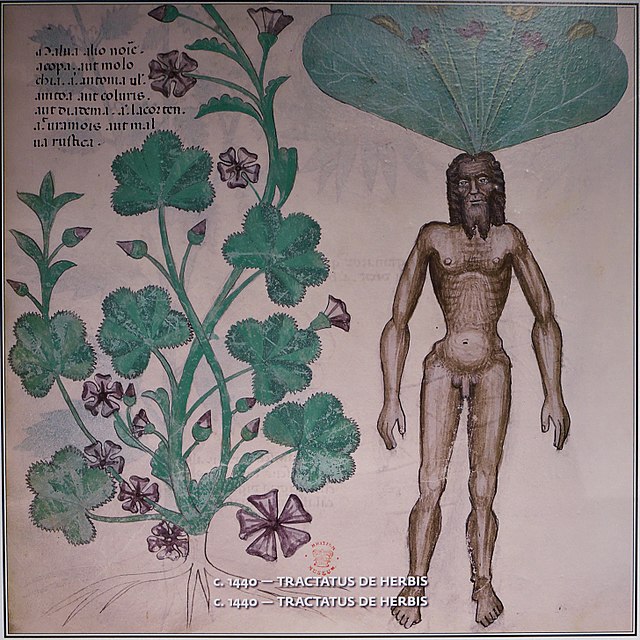
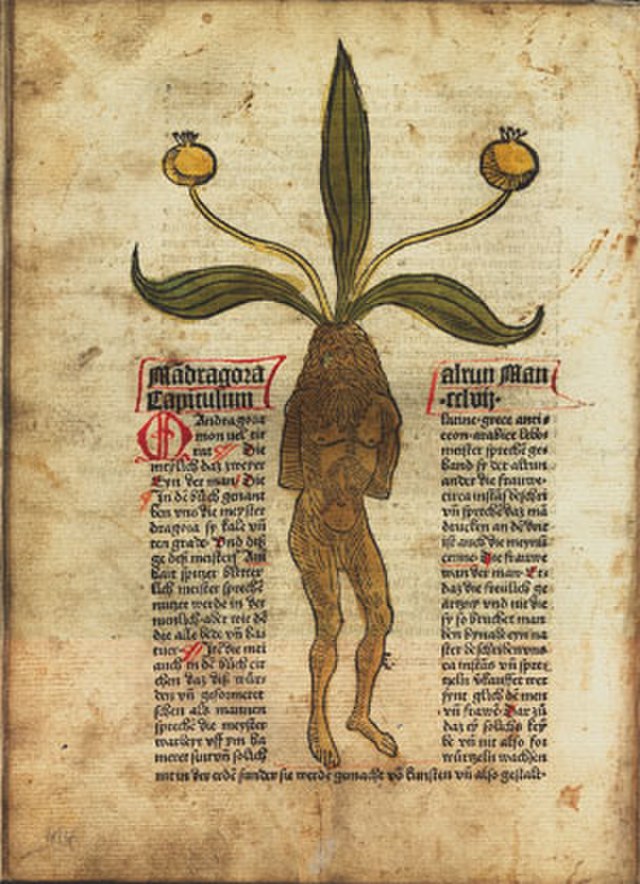
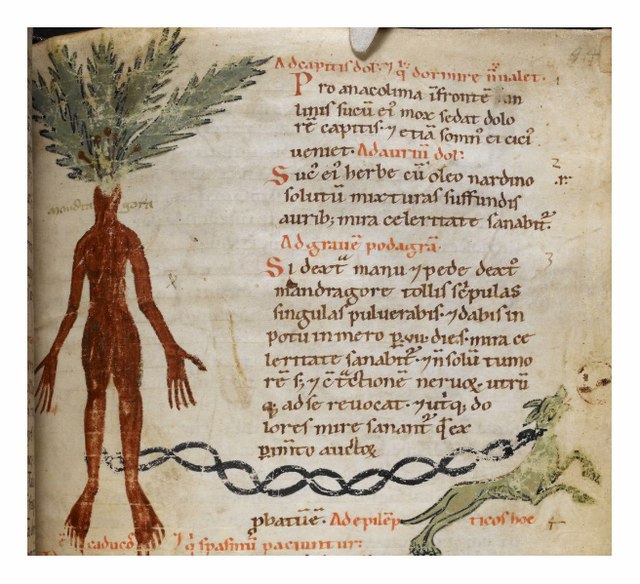
Mandrake (genus Mandragora) is a plant steeped in folklore and mysticism. Native to the Mediterranean region, its roots often resemble human figures, which has fueled centuries of superstition. Historically, mandrakes were believed to scream when uprooted, a cry so deadly it could kill anyone who heard it.
Folklore and Myth
- Medieval Legends: In medieval Europe, mandrakes were thought to grow beneath gallows, nourished by the bodily fluids of hanged men.
- Protective Talismans: People carried mandrake roots as charms to ward off evil or bring good fortune.
- Magical Uses: Mandrakes appeared in potions, spells, and rituals, often associated with witchcraft and alchemy.
Biological Facts
- Species: The most well-known species is Mandragora officinarum.
- Appearance: Mandrakes have thick, often bifurcated roots that resemble human limbs, and dark green leaves with bell-shaped flowers.
- Habitat: They thrive in dry, rocky soils and bloom in spring.
Toxicity and Medicinal Use
Mandrakes contain alkaloids such as hyoscyamine and scopolamine, which can be highly toxic. Historically, they were used as anesthetics and sedatives, but improper use could lead to hallucinations, coma, or death. Today, mandrake is rarely used medicinally due to its dangerous properties.
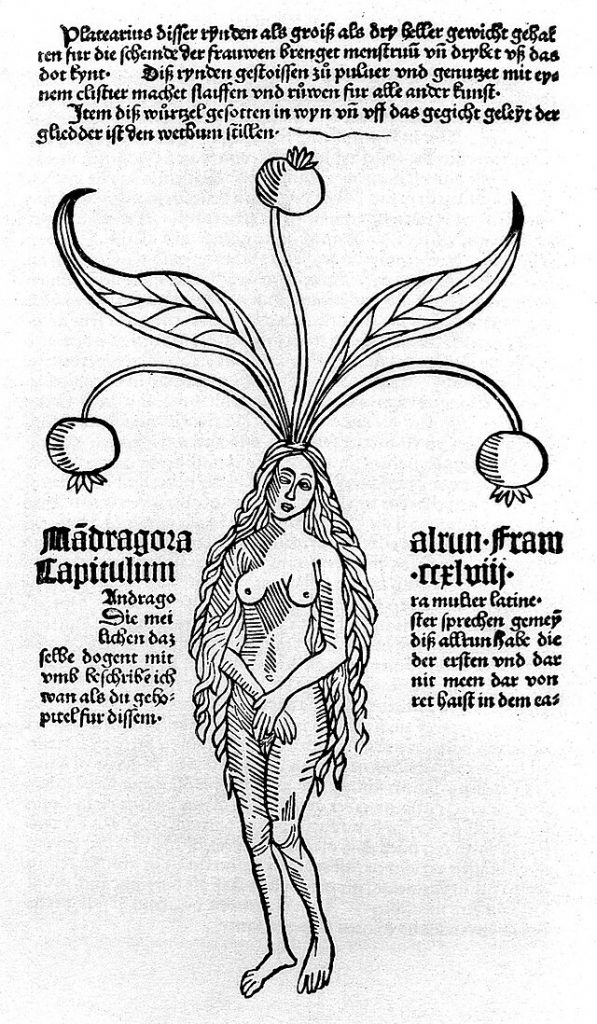
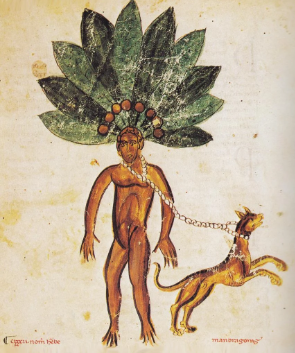
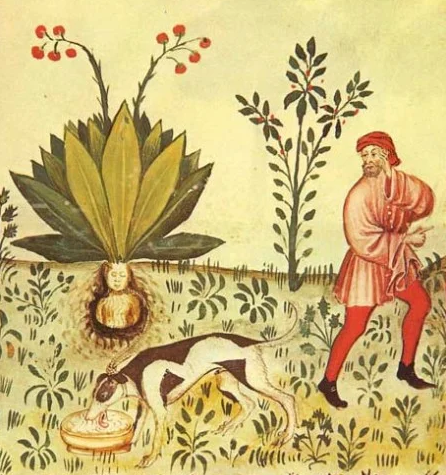

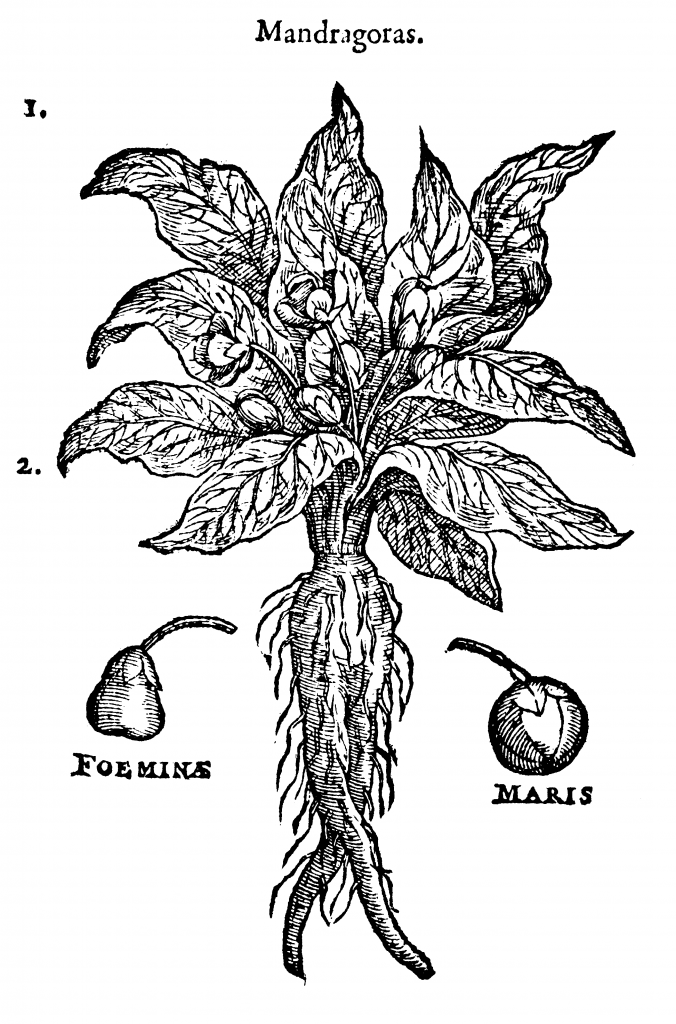
(images: Wikimedia)
Final Thoughts
Whether feared or revered, the mandrake remains one of nature’s most enigmatic plants. Its legacy spans centuries, bridging the gap between botany and legend. For the Boo-Foons, it’s just another day in the greenhouse.